A daily run looks simple until a day begins. A driver meets blocked alleys, missing numbers on doors, and elevators that stop working. Each delay pushes the rest of the schedule. Teams cope by improvising, but improvisation has a cost. A calmer day starts with a plan that accepts friction and still leaves room to breathe.
People often think sequencing is only about distance. In reality it is also about trust. When the office sends a clear sequence, the driver can focus on safe driving and careful handoffs. When the driver shares a quick update, the office can adjust without panic. That shared rhythm matters more than any perfect map.
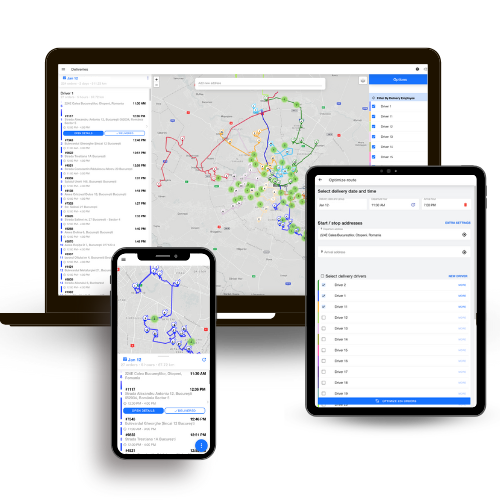
For daily rounds that depend on fast updates and clear stop order, courier routing software can act as a steady reference. It can hold addresses, notes, and timing in one place. The point is not to chase speed at all costs. It is to reduce guessing, reduce repeat trips, and keep changes visible to everyone who needs them.
One shared view for everyone
As volume grows, dispatch faces a quiet dilemma. If they micromanage, drivers feel controlled. If they step back, inconsistencies appear. The best middle ground is a shared view of the day. Everyone sees the same stops, the same priorities, and the same exceptions. That reduces phone calls and stops small issues from becoming conflicts.
In multi vehicle operations, logistics route planner can be useful as a neutral workspace. It helps translate incoming requests into routes that respect working hours and real street limits. When a pickup time moves, the change should not live in one person’s memory. A single update should flow to drivers, support staff, and customer messages.
To keep planning consistent without making it rigid, many teams rely on three simple rules:
- Confirm address and contact details once.
- Reserve buffer time for known slow zones.
- Log failed attempts with one clear reason.
These habits keep the day readable, even when the unexpected appears. They also make shift handovers smoother.
Waste rounds need strict constraints
Waste collection is different from parcels. Vehicles are larger, stops are frequent, and local rules shape what is possible. A plan that ignores school traffic or narrow turns is inefficient. It can be unsafe. That is why waste routing software is often discussed in operations that need predictable coverage, not last minute improvisation.
Field crews also need reliable information, not long instructions. A short note about a blocked container area can save a future shift. A warning about roadworks can prevent a detour that breaks the schedule. When these details are captured in plain language, the plan becomes a living guide, not a static list created in an office.
Before leaving each zone, small checks can keep future rounds smoother:
- Mark access points that are repeatedly blocked.
- Note overflow patterns with a simple label.
- Record safety concerns in plain words.
- Restock basic tools before changing areas.
These steps protect time and energy in the next shift.
Simple data can guide improvements
Teams improve faster when data stays simple. Long reports often get skipped after a tiring day. Short signals work better. Travel time between zones, time spent at stops, and the main cause of delays can reveal patterns. When the same street always slows a run, the plan can be adjusted. When the same building causes issues, notes can be improved.
It also helps to separate fixed conditions from choices the team can change. Traffic, weather, and building access are outside your control, but stop order, buffer time, and loading habits are not. A quick end of day review that notes one cause and one adjustment makes tomorrow easier. Over a month, these small corrections create a steadier pace.
A healthy workflow treats feedback as a loop. Drivers share what changed on the ground. Dispatch reviews it and updates the plan. Supervisors watch for repeated pain points and adjust training. When field voices are reflected in the next schedule, compliance rises. People follow a process when they feel it was built for real streets.
Routines that stay calm under pressure
The real test of any planning routine is a messy week. Holidays, sudden volume, and staff shortages expose weak spots. When a system holds up, the team feels less tension even if the workload stays high. Customers receive honest updates. Drivers have fewer surprises. Dispatch spends less time firefighting and more time supporting exceptions.
Confidence comes from clear next steps. A missed pickup should trigger a simple recovery action. A delayed stop should update the rest of the chain, not just one person. When rules are short and shared, people follow them under pressure. That is how teams avoid the slow drift into decisions that drain energy.
Over time, small improvements compound. Review one pain point each week, then change one thing and measure it. Even small gains add up across months of daily routes. Keep language clear and expectations realistic. Keep responsibilities visible, so handoffs stay smooth. Planning should support people, not trap them. When routes respect real constraints and real habits, the routine lasts.