Urban delivery has become a daily test of planning discipline. Rising traffic, tighter customer windows, and higher fuel costs force teams to rethink how they dispatch vehicles. A reliable routing process reduces stress for drivers and improves customer trust. It also helps operations leaders forecast capacity instead of reacting to chaos when order volumes spike.
Many businesses still rely on manual planning or static route templates. That approach breaks down as soon as demand shifts by neighborhood or by hour. A modern workflow uses real-time inputs such as stop density, vehicle capacity, and service time. Some teams also benefit from mid-day re-optimization when new orders or cancellations appear. When routes reflect reality, teams waste fewer miles and can keep promised ETAs without constantly renegotiating schedules.
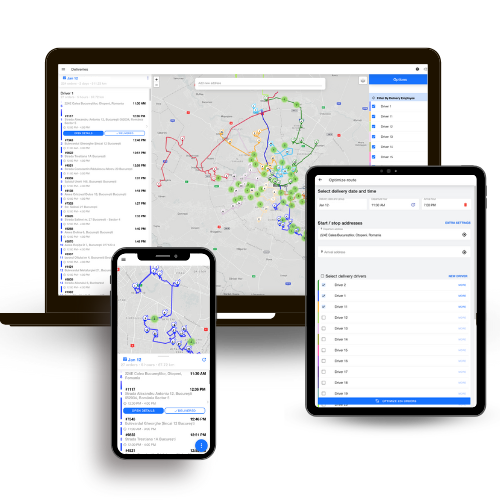
Adopting delivery routing software can turn this moving puzzle into a repeatable daily routine. The right tool helps planners balance load across drivers, reduce backtracking, and handle exceptions quickly. It also creates a clear record of what happened on the road, which supports coaching and smarter planning for the next day.
Coordinating restaurants, couriers, and customers
Food logistics is unique because time and quality are inseparable. A late meal is not just an inconvenience, it risks a refund and a lost customer. Operators need a system that aligns kitchen prep with driver arrival. When dispatch and prep move in sync, service feels effortless even during lunch peaks and weekend surges. Clear status updates also protect the restaurant brand when delays are unavoidable.
A food delivery management system brings orders, drivers, and routes into one operational view. It supports smarter batching, clearer delivery windows, and fewer missed handoffs between the restaurant and the courier. This visibility also reduces support calls and helps teams spot bottlenecks early, such as delayed prep or drivers stuck in low-density zones.
To keep performance steady, managers can standardize a few practical steps:
- Confirm prep capacity daily.
- Set realistic cut-off times.
- Review high-risk addresses.
Expanding patient-centric delivery models
Healthcare deliveries demand higher precision than most consumer categories. Patients may have strict dosing schedules, and many items require careful handling. A missed delivery is more than a bad review. It can disrupt treatment plans. For this reason, routing must account for priority, temperature sensitivity, and proof of delivery requirements. This is where pharmacy delivery software can support safer, more consistent patient service.
Pharmacies that scale beyond a small local radius need a planning approach that prioritizes urgent orders and optimizes multi-stop runs. When dispatchers can see constraints clearly, they can assign the right vehicle and route sequence without guesswork. It also helps balance workloads so no single driver gets overloaded during peak hours. This reduces late arrivals and helps maintain trust with patients, caregivers, and clinicians.
A simple field checklist can improve consistency:
- Verify patient instructions.
- Confirm drop-off rules.
- Log exceptions immediately.
Managing compliance, safety, and exception flow
As delivery networks grow, the number of exceptions grows with them. Road closures, access issues in apartment blocks, and sudden staffing gaps are normal operational realities. A structured exception workflow helps avoid repeated failures and keeps customers informed without unnecessary back-and-forth.
Data quality is crucial in regulated or sensitive categories. Accurate time stamps, address validation, and clear driver notes create traceability. This supports internal audits and external reporting when required. In healthcare-adjacent work, teams may also need to think about data privacy and who can view delivery details. Teams that review route outcomes weekly can adjust service zones, refine time windows, and reduce repeat visits that silently drain margins.
Training completes the system. When drivers know how to report delays and log service outcomes consistently, planners receive better inputs for future routes. A light, ongoing coaching rhythm often beats one long annual training session.
Measuring value and preparing for growth
Technology should earn its place through measurable outcomes. Before rolling out a new platform across all regions, many operators start with a small pilot. They track on-time rate, miles per stop, driver overtime, and the percentage of successful first-attempt deliveries. Improvements in these metrics usually reveal where the biggest savings and service gains will appear.
Scaling works best when processes are documented and simple. Clear rules for capacity, service time, and priority levels help new staff onboard quickly. When the system is consistent, expansion into new neighborhoods feels like an extension of existing discipline rather than a risky leap into unknown demand patterns.
Over time, smart routing becomes a brand advantage. Customers notice reliable ETAs and fewer missed drops. Drivers benefit from balanced workloads and less wasted time. Leaders gain clearer forecasts and more stable costs. With the right tools and habits, growth can feel controlled and sustainable, even in markets where expectations rise every quarter.