When deliveries run late, the problem is often not the driver. It is the plan. Stops are added last-minute, addresses are incomplete, and priorities change mid-day. The result is rushed driving and unhappy customers. A calmer day starts with a simple routine: confirm what must be delivered, group nearby stops, and set realistic time windows before anyone leaves the depot.
It also helps to standardize the information that goes into the plan. If one order has a phone number and another does not, drivers waste time calling the store or support. If notes are missing, they arrive at a locked gate and lose ten minutes. Small details decide whether a route feels smooth or chaotic. Clear inputs reduce questions, and fewer questions keep trucks moving.
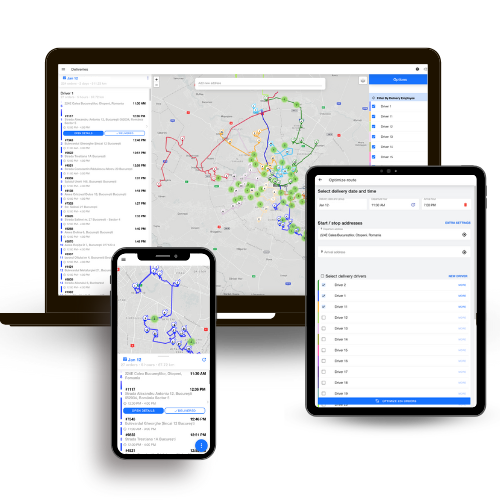
A delivery route planner can help by turning the same daily list into an ordered route that is easier to follow. It is not about fancy features. It is about making the plan consistent so drivers do not improvise under pressure. When stops are sequenced well, you cut idle time, reduce missed windows, and finish the day with fewer exceptions to fix.
Reliable deliveries that protect the retail experience
Retail deliveries are different from generic drop-offs. Stores have receiving hours, tight back rooms, and staff that cannot wait outside. If you miss a window, you may have to come back later, which costs money and hurts relationships. A good delivery operation respects the store schedule and keeps communication clear. That means knowing what is urgent, what is flexible, and what can wait for the next run.
This is where retail delivery software becomes useful because it supports predictable store-facing routines. It can help you plan around opening hours, prioritize replenishment, and reduce the number of awkward arrivals. When the workflow is consistent, store teams trust your ETA and your drivers feel less stress. Over time, you get fewer calls asking where the shipment is.
To keep retail deliveries steady, it helps to agree on three simple standards:
- Confirm store hours and access notes before the route is locked.
- Use the same status updates for every stop.
- Review delays weekly and fix the repeated cause.
Choosing tools that match real team workflows
An alternative to Circuit for Teams is often searched when companies outgrow a tool that was fine at the start. Teams add more drivers, more stops, and more exceptions. What worked for one person becomes messy for five. In that phase, clarity matters more than speed. Dispatch needs visibility, drivers need a clean mobile flow, and managers need simple reporting they can act on.
When comparing tools, focus on what happens on a busy day, not a perfect day. Can you add a stop without breaking the plan. Can a driver mark a delivery with a clear reason when it fails. Can dispatch see progress without calling every vehicle. These questions reveal whether the software supports the team or creates extra work. A good fit reduces calls and reduces confusion.
If you want a practical shortlist, look for a few must-haves:
- Easy route changes without losing the original plan
- Clear stop notes and customer contact details in one place
- Simple proof-of-delivery options that do not slow drivers down
- Basic reports that highlight delays and repeated issues
Keeping drivers focused on driving
Drivers should spend most of their day moving, not figuring out what to do next. When routes are unclear, drivers make decisions on the fly. That can create uneven service, because each person solves problems differently. A consistent process gives drivers confidence, and confidence reduces mistakes. The key is to define what good looks like for common situations.
Start with the top three problems that waste time. Wrong address, no access, and customer not available are common. For each one, write a short playbook with two steps and one escalation path. Keep it simple enough that it can be followed while parked. When the response is consistent, dispatch can resolve issues faster and customers get clearer updates.
It also helps to keep communication short and structured. Instead of long messages, use a few standard tags and a short note. That makes it easier to scan and act on. The goal is not to remove human judgment. The goal is to reduce noise so judgment is used only when it matters. Less noise means fewer delays and fewer end-of-day surprises.
Small habits that make delivery days easier
You do not need a full rework to improve delivery performance. Small habits can change the outcome quickly. Lock routes at a set time, so the day does not start in chaos. Check the top ten addresses for missing details. Make sure each vehicle has what it needs before leaving. When the basics are handled early, the rest of the day feels lighter.
At the end of the day, spend ten minutes capturing what went wrong. Not to blame anyone, but to see patterns. If the same store causes delays, maybe the receiving window is too tight. If the same neighborhood causes problems, maybe the route order needs updating. When you treat issues as signals, the operation improves without stress and without drama.
Over time, these small improvements build trust. Customers get deliveries when they expect them. Store teams waste less time waiting. Drivers feel supported instead of rushed. That is what makes the whole system scalable. A predictable day is not only cheaper. It is also easier for people to sustain, week after week.