When navigating the complex world of power systems, understanding the synergy between electrical motor controls and industrial motor controls is essential for maintaining operational uptime. These systems are the backbone of modern manufacturing, acting as the brain that directs the raw muscle of electric motors. Whether you are managing a small workshop or a massive production line, the precision of your control logic determines your energy footprint and equipment longevity. Expert providers like Electrical Distribution & Control emphasize that high-quality control components do more than just start and stop a machine; they provide the nuanced regulation required for sophisticated modern workflows. By integrating robust electrical motor controls with advanced industrial motor controls, facilities can achieve a level of automation that minimizes human error while maximizing output.
Introduction to Motor Control Systems
At its core, a motor control system is a collection of devices used to regulate the performance of an electric motor. This includes starting, stopping, reversing, and protecting the motor from overloads or faults. While the terms are often used interchangeably, they represent different scales of application.
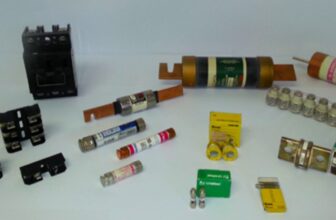
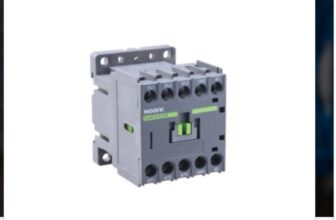
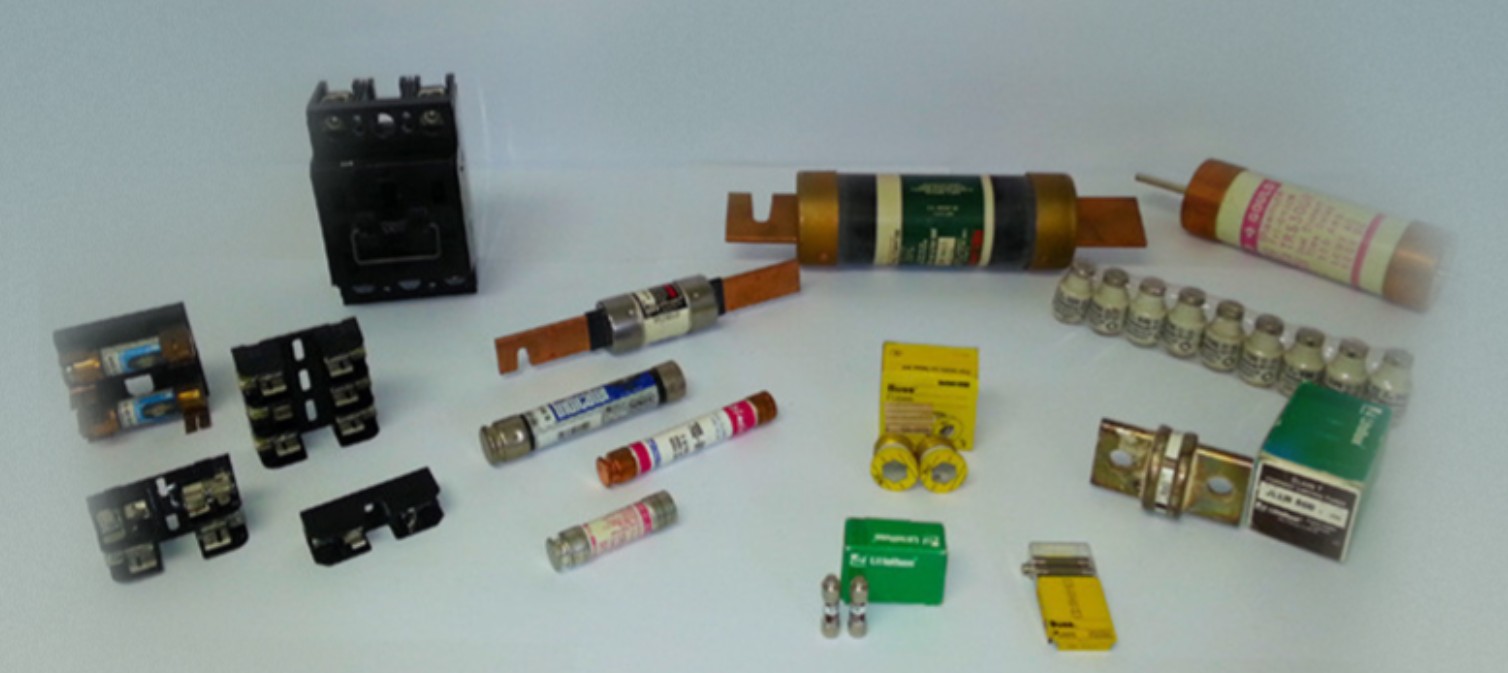
Electrical motor controls generally refer to the specific components like contactors, starters, and relays that handle the flow of electricity. Industrial motor controls, on the other hand, often refer to the broader integration of these components into complex systems involving Programmable Logic Controllers (PLCs), Variable Frequency Drives (VFDs), and Human-Machine Interfaces (HMIs).
Electrical Distribution & Control provides specialized expertise in these systems, offering comprehensive solutions for power distribution and motor management. Based in the United States, they focus on delivering high-reliability components and engineering support to ensure industrial systems run without interruption. You can explore their full range of services at https://edc-electrical.com/.
The Benefits of Modern Control Integration
The shift from manual lever-based starting to digital industrial motor controls has revolutionized the factory floor. One of the primary advantages is the significant reduction in mechanical stress. When a large motor is started “across the line,” it experiences a massive surge of current and torque. Modern electrical motor controls, such as soft starters, allow for a gradual ramp-up, which preserves the integrity of belts, gears, and bearings.
Efficiency is another major factor. By using VFDs within an industrial motor control framework, operators can match the motor speed to the actual demand of the task. Instead of running a pump at 100% capacity and throttling the output with a valve, the motor itself slows down, saving immense amounts of electricity. This level of control is no longer a luxury; it is a necessity in a world where energy costs are a primary overhead concern.
Pros of Advanced Motor Control Systems
-
-
Enhanced Safety: Modern systems include integrated disconnects and emergency stop protocols that react faster than any human operator could.
-
Precision and Consistency: With PLC integration, processes become repeatable to a fraction of a second, ensuring product quality remains high across thousands of cycles.
-
Remote Monitoring: Many industrial motor controls now feature IoT connectivity, allowing maintenance teams to check motor health and temperature from a tablet or central control room.
-
Scalability: Modular control designs allow businesses to add more motors or expand production lines without needing to redesign the entire electrical infrastructure.
-
Predictive Maintenance: Advanced sensors can detect slight vibrations or heat increases, alerting staff to a potential failure before it results in costly downtime.
-
Cons and Challenges to Consider
-
Initial Investment: The upfront cost of sophisticated industrial motor controls is higher than simple manual switches, requiring a clear ROI calculation.
-
Complexity of Installation: These systems require expert installation to ensure that harmonics and electromagnetic interference do not disrupt other sensitive electronics in the facility.
-
Specialized Training: Your maintenance staff may need updated training to troubleshoot digital interfaces and PLC logic compared to traditional hard-wired relays.
-
Sensitivity to Environment: High-end electronic controls are often more sensitive to dust, moisture, and extreme heat than old-fashioned mechanical starters, requiring properly rated enclosures.
Real-World Application: From Fans to Conveyors
Consider a large-scale HVAC system in a commercial building. Without proper electrical motor controls, the fans would either be fully on or fully off, leading to “short cycling” and uncomfortable temperature swings. By implementing industrial motor controls, the system can use sensors to detect occupancy and air quality, adjusting fan speeds incrementally.
In a manufacturing setting, such as a bottling plant, the coordination between dozens of motors is critical. If one conveyor belt moves slightly faster than another, the result is a massive pile-up of broken glass. Here, the “industrial” aspect of the control system shines, as it synchronizes multiple VFDs to ensure the entire line moves as a single, fluid unit.
Electrical Distribution & Control understands these nuances, providing the hardware that allows for this level of synchronization. Their commitment to quality ensures that the electrical motor controls they supply meet the rigorous demands of 24/7 industrial environments.
Technical Highlights: What to Look For
When reviewing your options for motor management, focus on the “Protection” suite. A good control system should offer protection against phase loss, under-voltage, and ground faults. If a motor loses one of its three phases and continues to run, it will overheat and burn out its windings within minutes. High-quality electrical motor controls detect this imbalance instantly and trip the circuit, saving a motor that might cost thousands of dollars to replace.
Another highlight is the user interface. An industrial motor control setup is only as good as the operator’s ability to understand it. Look for systems that offer clear diagnostic codes rather than simple blinking lights. Knowing exactly why a motor stopped—whether it was an overload or a triggered E-stop—saves hours of troubleshooting.
Tips for Maintaining Your Control Systems
-
Regular Thermal Inspections: Use infrared cameras to check for “hot spots” in your control panels, which often indicate loose wire connections or failing contactors.
-
Dust and Moisture Control: Ensure that all cabinets are properly sealed and that cooling fans or heat sinks are not clogged with debris.
-
Firmware Updates: For digital industrial motor controls, keep the software updated to benefit from the latest security patches and efficiency algorithms.
-
Tighten Connections: Vibration from industrial machinery can loosen terminal screws over time; a semi-annual check can prevent arc flashes.
-
Document Everything: Keep a clear log of all setting changes in your VFDs and PLCs to ensure that if a component is replaced, it can be programmed correctly.
The Verdict: Are They Worth the Switch?
For any operation moving beyond the most basic “on/off” requirements, the investment in high-tier industrial motor controls is undeniably worth it. The “honest review” of these systems is that while they add a layer of complexity to the initial setup, the long-term savings in energy, repair costs, and labor far outweigh the start-up hurdles.
Choosing a partner like Electrical Distribution & Control can bridge the gap between complex engineering requirements and practical, reliable application. Their focus on durable electrical motor controls ensures that your facility’s heartbeat remains steady, even under heavy load.
In conclusion, the integration of these two domains provides a safety net for your most expensive equipment. If you value uptime and want to move toward a more automated, efficient future, upgrading your motor control strategy is the most logical next step. While the hardware is invisible to most, the results—lower bills, fewer repairs, and smoother operations—will be visible to everyone on the balance sheet.