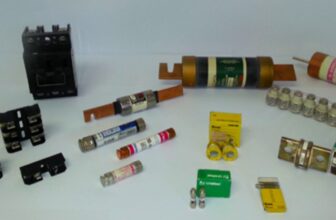
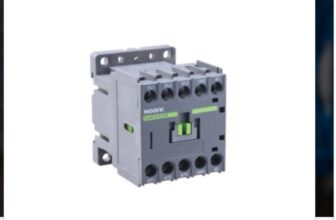
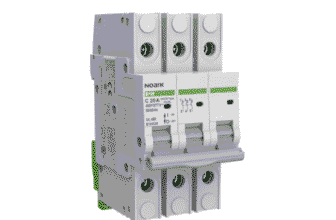
As a facility manager, understanding the ins and outs of your building’s electrical systems is crucial. Industrial circuit breakers are vital components that protect your electrical systems from potential hazards, including overloads and short circuits. In this guide, we’ll explore the fundamentals of industrial circuit breakers and their essential role in your facility’s electrical distribution and motor control systems. We’ll also touch on the importance of electrical transformers and the overall workings of the electrical wholesale industry, giving you the knowledge needed to make informed decisions about your facility’s power protection. industrial motor controls
What Are Industrial Circuit Breakers?
At the heart of electrical safety in any facility, industrial circuit breakers are essential devices designed to protect electrical circuits from damage caused by excess current. Whether it’s a short circuit or an overload, a circuit breaker automatically disconnects the power to prevent electrical fires, damage to equipment, or injury.
In an industrial setting, where the electrical load is often much higher and more complex than in residential buildings, industrial circuit breakers offer advanced protection mechanisms, ensuring that the system remains safe and functional at all times.
Why Are Industrial Circuit Breakers Important?
Without industrial circuit breakers, your facility’s electrical systems would be vulnerable to faults that could lead to catastrophic damage. These protective devices are responsible for:
• Preventing Fire Hazards: When a circuit is overloaded or shorted, excess current can cause overheating, which might lead to fires. Circuit breakers detect and interrupt this flow before it can cause any harm.
• Ensuring System Longevity: By cutting off faulty circuits, circuit breakers prevent equipment like electrical power transformers or motors from being damaged by irregular electrical flow.
• Enhancing Safety: These breakers safeguard both your workers and your valuable machinery. For example, electrical transformers that are part of your distribution system can be costly to repair, but having the right protection in place helps prevent this.
Key Types of Industrial Circuit Breakers
Understanding the different types of industrial circuit breakers will help you choose the right one for your facility’s needs. Here’s a breakdown of the most common types:
1. Molded Case Circuit Breakers (MCCBs)
• Use Case: Most commonly used in industrial settings, MCCBs are designed to protect electrical circuits from overloads, short circuits, and ground faults.
• Advantages: They offer adjustable trip settings, allowing you to fine-tune protection based on the specific needs of your facility’s electrical distribution and motor control systems.
2. Air Circuit Breakers (ACBs)
• Use Case: These are used in high-voltage circuits and provide protection in scenarios where large amounts of electrical power are being distributed.
• Advantages: ACBs offer high interrupting capacity, making them ideal for larger systems where an industrial electrical transformer might be in use.
3. Vacuum Circuit Breakers (VCBs)
• Use Case: VCBs are often used for medium-voltage applications and are commonly found in electrical substations or areas with high amounts of energy demand.
• Advantages: They have a very quick response time and are known for their longevity and reliable performance.
4. Residual Current Circuit Breakers (RCCBs)
• Use Case: RCCBs are designed to protect against leakage currents, typically caused by insulation failure.
• Advantages: This makes them a critical component in systems that rely heavily on electrical transformers and other sensitive equipment.
How Industrial Circuit Breakers Integrate with Electrical Systems
Industrial circuit breakers are just one component of a much larger electrical infrastructure. They work closely with other systems, such as electrical transformers, to ensure the smooth and safe operation of a facility’s electrical distribution.
Electrical Power Transformers and Distribution:
Transformers play a crucial role in the distribution of electricity throughout a facility. They step up or step down voltage levels, ensuring that power is delivered efficiently and safely. Industrial circuit breakers protect these electrical power transformers from voltage surges or overloads, ensuring the transformer does not sustain damage from faulty circuits.
How They Work Together:
• Preventing Damage: A circuit breaker will trip and disconnect a faulty circuit, preventing an overload from reaching the electrical transformer, which could be costly to repair.
• Energy Efficiency: By preventing the overheating of components, circuit breakers help maintain optimal performance across electrical transformers and reduce energy wastage.
Electrical Distribution and Motor Control:
In any facility, electrical distribution and motor control are closely intertwined. Motors require precise control systems to function properly, and the distribution system must be carefully monitored to ensure consistent power delivery.
• Motor Protection: Circuit breakers safeguard commercial motor controls by cutting off power in case of abnormal electrical conditions.
• Ensuring Smooth Operation: With the right combination of industrial circuit breakers and electrical motor controls, facilities can operate efficiently without the risk of equipment malfunction.
The Role of Circuit Breakers in the Electrical Wholesale Industry
The electrical wholesale industry is a crucial sector that supplies electrical components to manufacturers, contractors, and facility managers. Industrial circuit breakers are an essential part of this supply chain, and choosing the right wholesale supplier can make a significant difference in ensuring that your facility gets reliable and high-quality products.
When purchasing circuit breakers from the electrical wholesale industry, it’s important to:
• Check Supplier Reputation: Research the supplier’s history and customer reviews. A reputable wholesaler will provide durable products and timely delivery.
• Understand Warranty and Support: Make sure that your supplier offers solid warranties and customer support. This ensures that, should any issues arise with your electrical transformers or circuit breakers, you have access to reliable assistance.
• Price vs. Quality: In the electrical wholesale industry, you often have a range of options with varying prices. While it’s tempting to go for cheaper options, the quality of your circuit breakers will have a direct impact on the reliability of your facility’s electrical systems.
Common Issues with Industrial Circuit Breakers
Even the best circuit breakers can experience issues over time. Being aware of common problems can help you stay ahead of potential failures:
• Tripping Frequently: If a circuit breaker is tripping without an obvious fault, it might be time for an inspection. Overloaded systems or faulty wiring can cause frequent tripping.
• Failure to Trip: If a breaker fails to trip during an overload, it may be defective or require maintenance. This is a serious issue that can put your entire electrical system at risk.
Conclusion
As a facility manager, understanding industrial circuit breakers and their role in protecting your facility’s electrical systems is essential. These devices, in conjunction with electrical transformers and electrical distribution and motor control systems, work to maintain a safe, efficient, and reliable electrical infrastructure. By choosing quality circuit breakers from trusted suppliers in the electrical wholesale industry, you can help prevent downtime, safeguard your equipment, and ensure the longevity of your facility’s electrical systems.
In the long run, investing in reliable electrical power transformers, proper circuit breakers, and effective motor controls will pay off in terms of reduced maintenance costs, fewer electrical failures, and a safer working environment for your team. Take the time to carefully evaluate your options, choose the right products, and work with trusted suppliers to keep your electrical systems running smoothly.