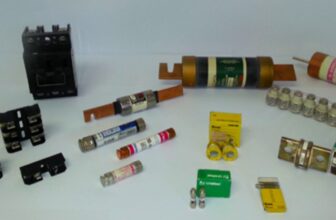
As a business owner, ensuring the safety and reliability of your electrical system is paramount. A well-functioning electrical system not only supports daily operations but also helps prevent costly damage and potential safety hazards. One of the key components of any commercial electrical setup is the commercial circuit breaker. Whether you’re managing a small office or running a large manufacturing facility, understanding the role of circuit breakers, especially in conjunction with industrial motor controls, commercial motor controls, and electrical transformers, is crucial for protecting both your employees and your equipment.
In this comprehensive guide, we’ll explore what commercial circuit breakers are, why they’re important, and how they function within your electrical system. We’ll also delve into related equipment like industrial motor controls and electrical transformers, which are integral to ensuring the smooth and safe operation of your business’s power needs. industrial circuit breakers
What Are Commercial Circuit Breakers?
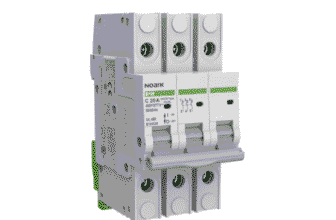
Commercial circuit breakers are devices that protect a business’s electrical system from damage caused by overloads, short circuits, and faults. They automatically disconnect power from a circuit if an issue arises, preventing potential damage to wiring, electrical equipment, and appliances.
While residential circuit breakers are designed for smaller, lower-capacity systems, commercial circuit breakers are built to handle larger loads and are essential for businesses that require higher electrical capacity.
Why Are Commercial Circuit Breakers So Important?
A commercial circuit breaker plays a vital role in maintaining the integrity and safety of your business’s electrical infrastructure. Here are several reasons why they are essential:
1. Overload Protection
Commercial buildings often have many high-demand appliances and systems running simultaneously. A circuit breaker helps prevent the electrical system from becoming overloaded. Overloading can lead to overheating, which can cause severe damage or even fires. By tripping when the circuit is overloaded, the breaker prevents this from happening, offering peace of mind for business owners.
2. Preventing Short Circuits
Short circuits happen when electrical wires come into contact with one another, often due to damage or degradation. This can cause excessive current to flow through the circuit, resulting in severe damage to equipment or fires. Commercial circuit breakers detect short circuits and immediately disconnect the power to prevent further damage.
3. Enhancing Safety
The safety of employees and customers is a top priority in any business. Commercial circuit breakers are designed to keep your facility safe by cutting off power in the event of dangerous conditions. Whether it’s a short circuit, an overload, or a fault in the wiring, these breakers act as a fail-safe to protect both your property and people.
Types of Commercial Circuit Breakers
Depending on the needs of your business, you may require different types of commercial circuit breakers. Here are some of the most common:
1. Standard Breakers
Standard breakers are commonly used in commercial settings to provide basic protection against overloading and short circuits. They are generally affordable and suitable for most small- to medium-sized businesses.
2. Ground Fault Circuit Interrupters (GFCIs)
GFCI breakers are designed to protect against electrocution hazards in areas where water or moisture is present. They are especially important in places like kitchens, bathrooms, or outdoor areas. They detect any difference in the current between the hot and neutral wires, shutting off the power if an imbalance is detected.
3. Arc Fault Circuit Interrupters (AFCIs)
AFCI breakers are designed to prevent electrical fires caused by arcs, which are electrical discharges that can occur when wires or electrical components are damaged or improperly connected. AFCIs are increasingly becoming a requirement for new commercial construction, particularly in areas like offices and retail stores.
The Role of Industrial and Commercial Motor Controls
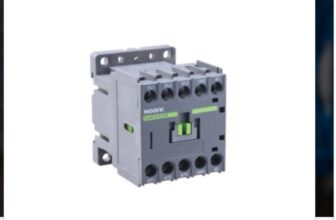
In larger businesses, industrial and commercial motor controls are often essential for running machinery, HVAC systems, and large-scale appliances. These controls regulate the operation of motors and help prevent overloading and damage to motor-driven equipment.
1. Industrial Motor Controls
Industrial motor controls are designed for use in large-scale industrial environments where powerful machinery or equipment is required to run smoothly. They help regulate the flow of electricity to industrial motors, ensuring the equipment operates within safe limits. Industrial motor controls can include starters, sensors, and variable frequency drives (VFDs), which allow the operator to control the speed and torque of large motors.
2. Commercial Motor Controls
Commercial motor controls are similar to industrial motor controls but are designed for smaller operations. These might include office building HVAC systems, commercial refrigerators, or other motor-driven equipment that requires precise control. Commercial motor controls ensure that equipment works safely and efficiently, preventing malfunctions and improving the longevity of the machinery.
How Do Electrical Transformers Work in Commercial Systems?
Electrical power transformers and electrical transformers play a crucial role in any commercial electrical system. These devices adjust the voltage of electricity to match the requirements of the equipment in your business.
1. Electrical Transformers for Voltage Adjustment
Electrical transformers step up or step down the voltage of electricity to ensure that it is compatible with your equipment. For instance, a transformer may reduce high-voltage electricity from the grid to a safer level that your office building or factory machinery can handle.
2. Protecting Equipment and Ensuring Efficiency
Transformers also help maintain the efficiency of your electrical system by ensuring that the voltage remains consistent. This prevents the over-voltage or under-voltage conditions that can damage sensitive equipment. Without electrical transformers, your business would risk damaging everything from computers to motors due to improper voltage.
Choosing the Right Electrical Equipment Supplier
Selecting a reliable electrical parts supplier is essential to ensuring the smooth operation of your business’s electrical system. A reputable supplier will offer high-quality products like industrial motor controls, commercial circuit breakers, and electrical transformers that meet the standards required for your operations.
Here are some tips for choosing the right supplier:
• Quality of Products: Ensure that the supplier offers high-quality products that meet safety and performance standards.
• Customer Support: A reliable supplier should provide excellent customer service and support, including expert advice and quick delivery.
• Reputation: Look for suppliers with a strong reputation in the industry and positive customer reviews.
Conclusion
Understanding the importance of commercial circuit breakers and related equipment such as industrial motor controls, commercial motor controls, and electrical transformers is key to ensuring the safety and efficiency of your business. These components work together to protect your electrical system, prevent downtime, and extend the life of your equipment.
By investing in the right electrical equipment suppliers and regularly maintaining your circuit breakers and other equipment, you can ensure that your business stays up and running smoothly, protecting both your employees and your investment. Proper electrical protection is not just an option—it’s a necessity for long-term success.