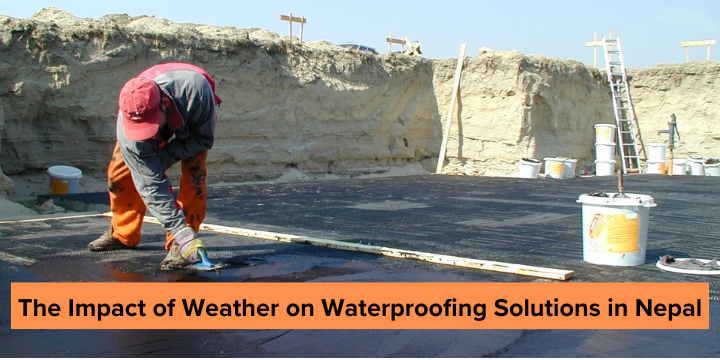
Nepal is known for its diverse climate, which varies significantly across different regions. From the humid subtropical conditions in the Terai plains to the cold, snowy winters in the Himalayan region, the weather plays a crucial role in the effectiveness of waterproofing solutions. Understanding how to adapt your waterproofing strategies to the local climate is essential for ensuring maximum protection against water damage. This article will explore the impact of weather on waterproofing solutions in Nepal and provide insights into how to optimize your approach for various conditions.
1. The Varied Climate of Nepal
Nepal’s climate can be broadly categorized into four main regions:
-
Terai Region: Characterized by a humid subtropical climate, this area experiences heavy monsoon rains from June to September. The increased moisture levels can lead to water seepage and damage if proper waterproofing measures are not implemented.
-
Hill Region: This region has a temperate climate with distinct wet and dry seasons. While the rainfall is less intense than in the Terai, it can still pose challenges for waterproofing, particularly during the monsoon season.
-
Himalayan Region: The high-altitude areas experience cold temperatures and significant snowfall in winter. The melting snow during spring can lead to water runoff, necessitating effective waterproofing strategies to protect structures.
2. The Role of Temperature and Humidity
a. High Humidity Levels
In regions with high humidity, such as the Terai, moisture can permeate building materials, leading to mold growth and structural damage. Waterproofing solutions must account for these conditions to be effective. Consider using waterproofing materials with good breathability, allowing trapped moisture to escape while preventing external water from entering.
b. Temperature Variations
Temperature fluctuations can also impact waterproofing materials. In areas with significant temperature changes, such as the Hill and Himalayan regions, materials need to accommodate expansion and contraction. Elastomeric waterproofing coatings are ideal for these conditions, as they can stretch and move with the building materials without cracking.
3. Seasonal Considerations
a. Monsoon Season
The monsoon season in Nepal presents the greatest challenge for waterproofing. Heavy rains can overwhelm inadequate waterproofing solutions, leading to leaks and water damage. To prepare for this season:
-
Pre-Monsoon Inspections: Conduct thorough inspections of roofs, walls, and foundations before the monsoon begins. Identify and repair any existing vulnerabilities, such as cracks or gaps.
-
Invest in Quality Materials: Use high-quality waterproofing materials designed to withstand heavy rainfall. Liquid waterproofing membranes and sealants can provide effective barriers against water infiltration.
-
Improve Drainage: Ensure that drainage systems are functioning properly to direct water away from the foundation. Clean gutters and downspouts regularly to prevent blockages.
b. Winter and Snowmelt
In the Himalayan region, snowfall can lead to unique waterproofing challenges. As snow melts in the spring, water runoff can accumulate around the foundation, potentially causing seepage. To mitigate these risks:
-
Insulate Foundations: Proper insulation of foundations can help prevent water from entering during the snowmelt season. Use waterproofing compounds in conjunction with insulation to create a comprehensive barrier.
-
Install Proper Drainage Systems: Ensure that drainage systems are in place to manage snowmelt runoff. French drains and sump pumps can be effective in preventing water buildup around the foundation.
4. Choosing the Right Waterproofing Solutions
Selecting the appropriate waterproofing materials and methods is critical for adapting to Nepal’s weather conditions. Here are some considerations:
a. Waterproofing Membranes
Liquid and sheet membranes are excellent options for various climates. Liquid membranes can be applied to complex surfaces, while sheet membranes provide robust protection for larger areas. When selecting membranes, consider their ability to handle local weather conditions, such as heavy rainfall and temperature fluctuations.
b. Waterproofing Chemicals and Additives
Using waterproofing chemicals can enhance the water resistance of concrete and masonry. Look for additives that improve the material’s ability to resist moisture penetration, particularly in humid conditions.
c. Sealants and Coatings
Waterproofing paints and sealants can be effective for protecting surfaces from moisture. Choose products that offer flexibility and durability to withstand temperature changes and prevent cracking.
5. Ongoing Maintenance and Monitoring
To ensure the long-term effectiveness of waterproofing solutions, regular maintenance and monitoring are essential:
-
Routine Inspections: Conduct inspections at least twice a year, particularly before and after the monsoon season. Look for signs of wear, damage, or moisture accumulation.
-
Prompt Repairs: Address any issues immediately to prevent further damage. Small cracks or gaps can lead to significant problems if left unattended.
-
Educate Residents: For homeowners, educating residents about the importance of waterproofing and how to maintain it can help ensure the longevity of the solutions implemented.
Conclusion
The weather in Nepal significantly impacts waterproofing solutions, making it essential to adapt strategies to local conditions. By understanding the unique challenges posed by humidity, temperature fluctuations, and seasonal changes, homeowners and builders can make informed decisions about waterproofing materials and methods.
Regular maintenance and proactive measures will further enhance the effectiveness of waterproofing solutions, ensuring that structures remain protected from water damage for years to come. Investing in the right waterproofing strategies today will safeguard your property against the adverse effects of Nepal’s diverse climate.