Navigating the world of adolescence is an adventure and, on top of that, a painful period. Huff! For many young people, it’s a walk in the park, but for others, it is accompanied by the discomfort of painful periods.
Coping with menstrual cramps can be challenging, impacting daily activities, social engagements, and overall well-being. As a teenager, understanding and managing these painful periods is necessary for a smoother journey through adolescence.
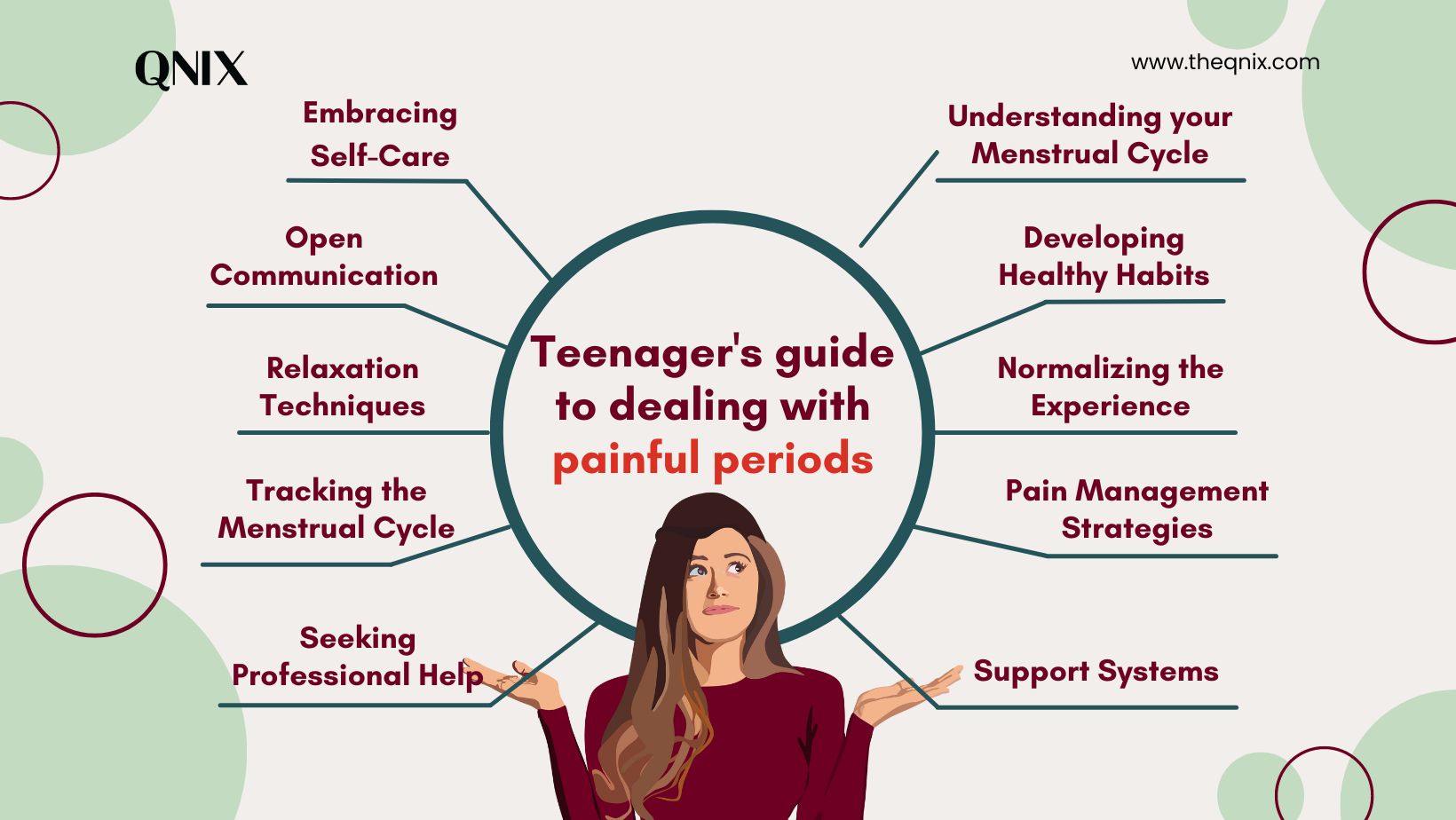
Here’s your comprehensive guide to help tackle the discomfort associated with menstrual cramps during those initial years:
Understanding the Menstrual Cycle
The menstrual cycle is a natural process that prepares you for reproduction. It involves hormonal fluctuations, shedding of the uterine lining, and the release of an egg. For some teenagers, this process brings mild discomfort, while others endure more intense cramping.
How Can you Make Periods Better for Yourself or Someone you Know?
Using Period Underwear!
Hear me out, It might be an “unconventional” thing on this list. But if we have the option to explore and ease ourselves during our periods, then why shouldn’t we?
Period Underwear is a great investment when you are dealing with painful periods.
- You get full coverage, front to back, literally no spilling if changed timely
- Second, you don’t have to apply or insert something down there. Period Underwear is literally like wearing regular underwear. Just slip in it and go about your day. It’s that easy.
- It wicks moisture and contains the odour
- You can wear it for hours! So no need to worry about changing your menstrual product during school hours or in the middle of the night.
- There are options! You can start with BacQup Period underwear and move to boxer brief, there is also hipster brief in the middle. Every flow is covered! You can also use it with a pad or tampon initially for extra protection. With all this, you are sorted for your periods.
Dealing with painful periods is already A LOT. Why add more to it? Let us discuss some more important points on dealing with painful periods –
1. Education is Empowerment
Understanding the mechanics of the menstrual cycle is the first step to coping with painful periods. Books, reliable websites, and discussions with parents, guardians, or even healthcare professionals, can provide comprehensive insights into what happens during your menstruation.
This background knowledge reduces anxiety and simplifies what’s happening.
2. Developing Healthy Habits
A well-rounded lifestyle significantly impacts menstrual health. Regular physical activity, such as walking, yoga, or light exercises, can lessen cramps by improving blood circulation and reducing stress.
Eating a balanced diet rich in fruits, vegetables, whole grains, and lean proteins supports overall well-being and might ease period discomfort.
3. Pain Management Strategies
Over-the-counter pain relievers like ibuprofen or acetaminophen can be effective in minimising cramps. Always consult a healthcare provider before taking any medication.
You can also try heat therapy through heating pads or warm baths to soothe tense muscles, providing relief from cramping.
4. Relaxation Techniques
Practising relaxation methods like deep breathing exercises, mindfulness, or meditation can reduce stress, easing the intensity of menstrual cramps. Finding moments for self-care activities that relax the body and mind can be incredibly beneficial during periods.
5. Dietary Adjustments
Certain foods can increase menstrual discomfort. Avoiding excess caffeine, salty snacks, high-sugar foods, and fatty meals might alleviate bloating and reduce cramps. Instead, opt for foods rich in vitamins, minerals, and hydration.
6. Open Communication
It’s essential to have open and honest conversations about menstruation. Discussing concerns with parents, guardians, or teachers can offer guidance and support. It’s a shared experience, and seeking advice from those who’ve gone through it can be reassuring.
7. Tracking the Menstrual Cycle
Keeping track of periods using apps or a menstrual calendar helps anticipate their arrival. Being prepared allows you to have the necessary supplies and predict when discomfort might arise, empowering you to manage it in a better way.
8. Seeking Professional Help
If menstrual pain is severe and interferes significantly with your daily activities, seeking guidance from a healthcare professional is essential. There could be underlying conditions needing attention or alternative treatments for pain management.
9. Support Systems
Creating a support network with friends, family, or online communities can provide a sense of belonging and understanding. Sharing experiences and tips can diminish feelings of isolation and provide helpful coping mechanisms.
10. Embracing Self-Care
Prioritizing self-care is important. Engage in activities you enjoy, practice self-compassion, and allow yourself rest during your period. It’s okay to take a break and take care of yourself.
Enjoy a day off by curling in your favourite blanket.
11. Normalizing the Experience
Remind yourself that experiencing painful periods is common among teenagers. It doesn’t define your capabilities or limit your potential. It’s a part of the journey to womanhood.
Conclusion:
Managing challenging periods when going through adolescence can be difficult, but it can be made easier with the right information, resources, and self-care.
Adopting healthy practices, soliciting assistance when required, and cultivating an optimistic outlook toward menstrual well-being enable adolescents to confidently manage period discomfort, guaranteeing a more seamless transition into adolescence.