With their iconic strap and low heel, Mary Jane shoes have traversed the realms of fashion for over a century. As comfortable shoes for women, Mary Janes have evolved with the times, adapting to the changing trends while maintaining their timeless appeal. Join us on a journey through the decades, exploring the fashion timeline of Mary Jane shoes and witnessing how this classic style has stood the test of time.
The Birth of Mary Jane Shoes – Early 20th Century:
The inception of Mary Jane’s shoes can be traced back to the early 20th century, a time when fashion was undergoing significant transformations. The name Mary Jane Shoes is believed to have originated from the popular comic strip character Little Mary Jane in the “Buster Brown” series. These early Mary Janes featured a single strap across the instep and low heels and were primarily designed for children. The simplicity of the design quickly captured the hearts of both parents and children alike. Mary Jane shoes transcended their initial status as children’s footwear as the Roaring Twenties dawned. Embraced by flappers and fashion-forward women, Mary Janes symbolized youthful rebellion and freedom. The classic black Mary Jane, often adorned with a button or buckle, became a staple for women looking to make a statement in a rapidly changing world.
World War II and Mary Jane Adaptations:
During World War II, practicality became a crucial consideration in fashion. With their comfortable and secure design, Mary Jane’s shoes were well-suited for women entering the workforce. The wartime era saw Mary Janes in various materials, including leather and canvas, reflecting the need for durability and versatility. The post-war era marked a revival of femininity and elegance in fashion, and Mary Jane shoes experienced a resurgence in popularity. The 1950s saw the introduction of Mary Janes with pointed toes and kitten heels, adding a touch of sophistication to the classic design. Mary Janes became a favored choice for schoolgirls and women, symbolizing youthfulness and refinement. Mary Jane shoes radically transformed as the 1960s ushered in the mod movement. The classic strap remained, but the heels became chunkier, and bold patterns and colors took center stage. Mary Janes became a symbol of the avant-garde, embraced by the fashion-forward youth of the swinging sixties. The 1970s brought a shift towards bohemian aesthetics, and Mary Jane shoes adapted to the laid-back vibe of the era. Earthy tones, suede materials, and platforms characterized Mary Janes during this period. Comfortable yet stylish, these shoes became a favorite among women seeking a balance between fashion and ease.
1980s: Mary Janes Go Punk:
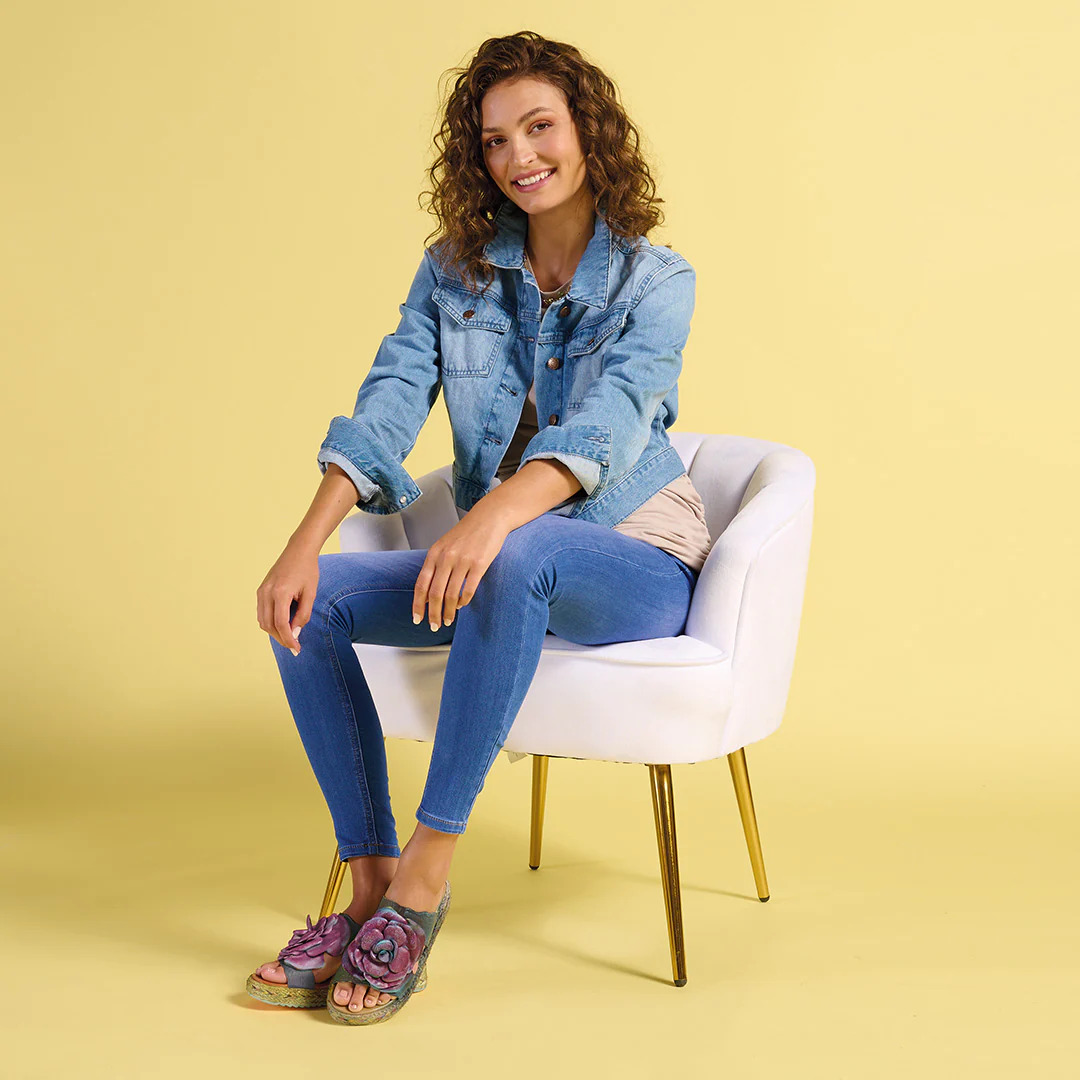
The rebellious spirit of the 1980s punk movement made its mark on Mary Jane shoes. Studs, spikes, and edgy embellishments transformed the sweet and innocent image of Mary Jane into a symbol of rebellion. The juxtaposition of the classic strap with punk elements showcased the versatility of Mary Jane shoes in adapting to diverse fashion subcultures. The grunge movement of the 1990s brought about a return to minimalism and simplicity. Mary Jane shoes, in matte black or dark hues, became a staple for those embracing the grunge aesthetic. Paired with floral dresses or ripped jeans, Mary Janes epitomized the decade’s effortlessly cool and comfortable fashion.The early 2000s witnessed a resurgence of interest in vintage and retro fashion, leading to a renewed appreciation for Mary Jane shoes. Celebrities and fashion influencers embraced the classic silhouette, and designers began incorporating modern twists into Mary Jane’s designs. The strap and low heel remained, but variations in materials and embellishments added a contemporary edge. In recent years, Mary Jane’s shoes have continued to evolve while retaining their classic charm. Comfort-focused brands like Alegria, Corkys, and L’Artiste have embraced Mary Jane’s designs, infusing them with ergonomic insoles, sustainable materials, and artistic embellishments. Mary Janes have become a versatile choice, bridging the gap between casual and formal, making them a staple in the wardrobes of women of all ages.
Alegria Shoes: Comfort and Contemporary Style:
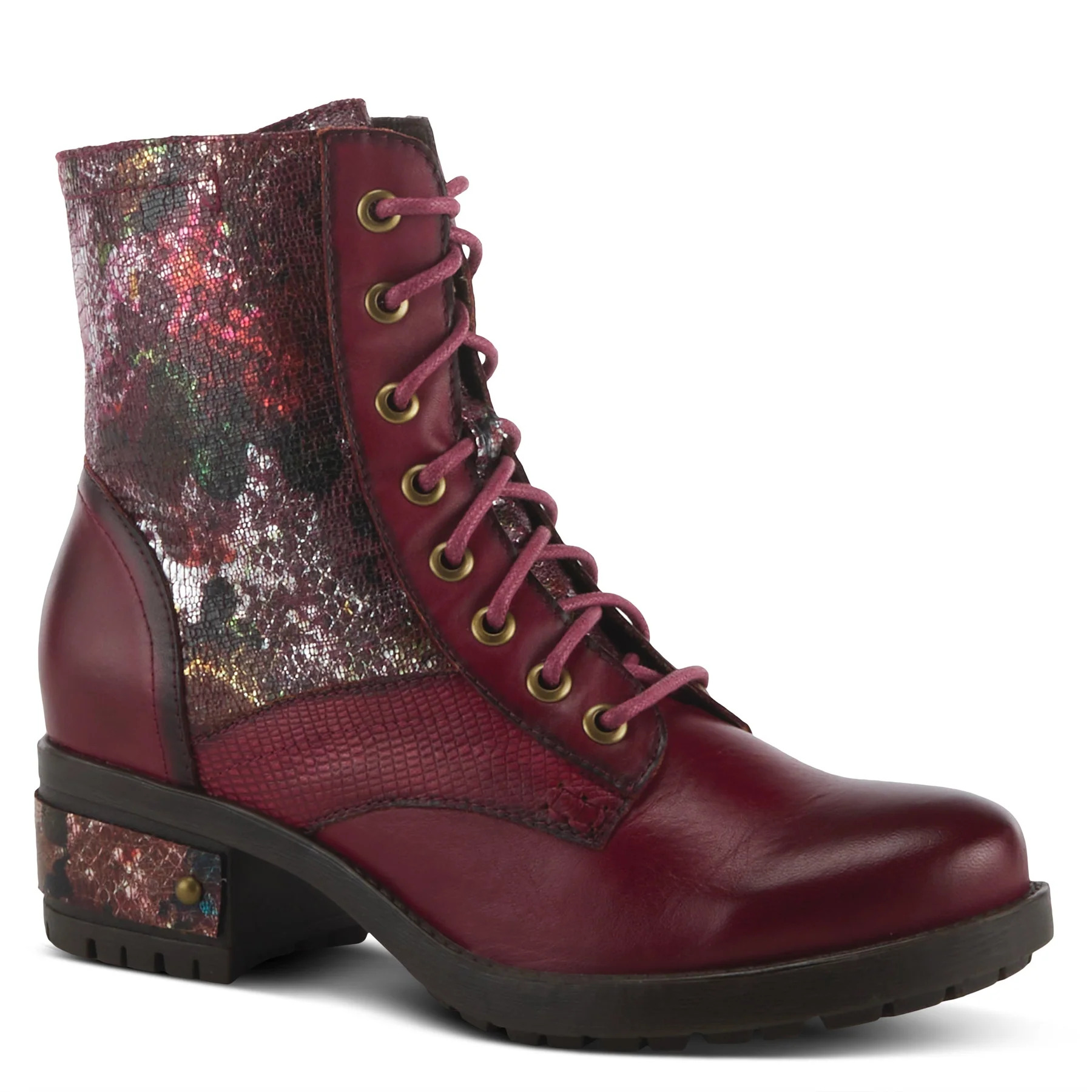
In the modern era, Alegria Shoes is a brand that seamlessly merges Comfort with contemporary style in Mary Jane’s designs. Their commitment to ergonomic insoles and foot health has made Alegria Mary Janes a go-to choice for women seeking Comfort and fashion in their footwear. Corkys Shoes, with their Bootie Brown collection, brings a touch of whimsy to the classic Mary Jane. Playful patterns and vibrant colors in Bootie Brown Mary Janes showcase the brand’s commitment to infusing fun into timeless designs, appealing to those who seek a lighthearted approach to fashion. L’Artiste Shoes takes Mary Jane fashion to the level of wearable art. With intricate details, vibrant colors, and unique designs, L’Artiste Mary Janes are more than just shoes—they are a form of artistic expression. The brand’s commitment to craftsmanship ensures that each pair tells a story of creativity and individuality. In contemporary fashion, Mary Jane elements have been incorporated into mid-calf boots, offering a modern twist on the classic style. These boots provide a fresh and stylish alternative, allowing women to embrace the timeless charm of Mary Jane in a higher silhouette.
Clog Shoes: Comfort Meets Casual Chic:
Clog shoes with Mary Jane elements exemplify Comfort and casual chic fusion. The open-back design and characteristic strap add a touch of femininity to the practicality of clogs, making Mary Jane clogs a popular choice for those seeking Comfort and style. Mary Jane loafers blend the timeless elegance of loafers with the characteristic strap of Mary Jane. The result is a versatile and refined option that suits a range of occasions. Whether paired with office attire or casual ensembles, Mary Jane loafers add timeless style. While traditionally associated with women’s fashion, Mary Jane’s shoes have transcended gender norms. Men’s summer shoes inspired by Mary Janes offer a modern and stylish alternative for fashion-forward gentlemen, breaking free from conventional expectations. In the contemporary fashion era, Mary Jane shoes come in many colors, but blue boots are unique for those who want to make a bold statement. Whether in classic navy or vibrant cobalt, blue Mary Jane boots add an unexpected pop of color to any outfit, showcasing the versatility of the style. As spring ushers in a season of renewal, Mary Jane spring shoes capture the essence of blooming flowers and vibrant colors. Pastel hues, floral patterns, and breathable designs make Mary Jane spring shoes a must-have for those embracing the season’s spirit.
Conclusion:
The journey of Mary Jane shoes through the decades is a testament to their enduring charm and adaptability. From the early 20th century to now, Mary Janes have evolved, reflecting each era’s changing tastes and fashion movements. Whether worn by flappers in the 1920s, embraced by punks in the 1980s, or reimagined by contemporary brands like Alegria, Corkys, and L’Artiste, Mary Jane’s shoes continue to symbolize Comfort and style. As we stride into the future, Mary Jane’s shoes will continue to evolve, leaving an indelible mark on the fashion landscape for generations to come.