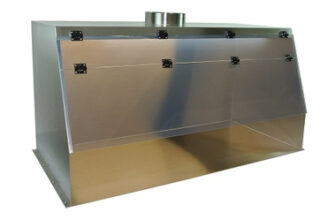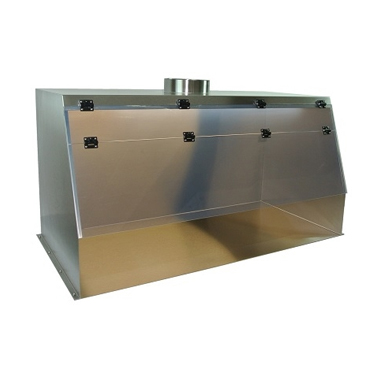
Choosing a laboratory fume hood requires more than comparing dimensions, appearance, or price. You need to match the hood’s airflow performance, containment requirements, chemical use, workspace, and laboratory conditions. The right selection helps you control hazardous vapors and airborne contaminants while giving you a practical workspace for routine procedures. By comparing each hood according to its application, you can make a more informed equipment decision.
Start With Your Laboratory Application
Before comparing airflow specifications, identify what you will actually do inside the hood. Your application determines the type of protection and airflow characteristics you need.
If you handle volatile chemicals, corrosive substances, solvents, or materials that may release hazardous fumes, you need a hood designed for effective contaminant capture. If your work involves occasional low-risk procedures, your requirements may be different.
Consider these questions:
- Which chemicals or substances will you use?
- How frequently will you perform procedures?
- What quantities will you handle?
- Will your work generate heat, vapors, dust, or gases?
- Do you need continuous or intermittent operation?
- What equipment must fit inside the hood?
Reviewing your actual procedures first prevents you from choosing a hood based only on general specifications.
Compare Airflow and Face Velocity
Airflow is one of the most important factors when comparing laboratory fume hoods. It determines how contaminated air is captured and moved away from your working area.
Face velocity refers to the speed of air entering the hood opening. You should not assume that higher airflow automatically means better protection. Excessive airflow can increase energy consumption and may create turbulence that interferes with containment.
Instead, compare the manufacturer’s stated airflow or face-velocity range with the requirements of your application and applicable laboratory safety standards.
Also consider whether the hood maintains consistent airflow as the sash position changes. A well-designed system should provide predictable containment under normal operating conditions.
Evaluate Ducted and Ductless Designs
Your ventilation infrastructure can significantly influence which hood design is appropriate.
Ducted laboratory fume hoods exhaust contaminated air through a connected ventilation system. They are commonly considered for applications involving hazardous chemical vapors where exhaust to the outside is required by the laboratory design or safety assessment.
Ductless systems use filtration to capture specific contaminants before returning filtered air to the room. Their suitability depends heavily on the chemicals being handled, filter technology, concentrations, and manufacturer limitations.
When comparing options, examine the chemical compatibility of the filtration system rather than assuming a ductless hood can handle every substance.
For broader equipment options, explore Global Lab Supply’s selection of laboratory fume hoods for chemical vapor containment and laboratory safety.
Match Hood Size to Your Workflow
Airflow performance is only useful when the hood provides an appropriate working environment. Compare the internal width, depth, and height with the equipment you regularly use.
A hood that is too small can force you to position instruments close to the opening, potentially affecting airflow patterns. An oversized hood may consume more space and energy than necessary.
Consider the placement of:
- Hot plates and heating equipment
- Flasks, beakers, and chemical containers
- Analytical instruments
- Reaction setups
- Laboratory accessories
- Electrical connections
Keep equipment away from the hood opening whenever possible and avoid overcrowding the work surface. Maintaining an open airflow path supports more consistent containment.
Check Construction and Chemical Resistance
The hood’s construction should match your working environment. Look at the work surface, interior lining, sash, hardware, and other components that may come into contact with chemicals.
For corrosive applications, chemical-resistant materials can help the hood withstand repeated exposure. For general laboratory work, durable surfaces that are easy to clean can simplify routine maintenance.
You should also consider sash operation, visibility, lighting, access to controls, and user ergonomics. A hood that is difficult to operate correctly can undermine otherwise suitable airflow performance.
Consider Energy Use and Maintenance
Your comparison should include long-term operating requirements, not just the initial purchase price. Airflow volume, exhaust requirements, fan operation, filtration, and laboratory HVAC design can all affect operating costs.
For ductless models, establish a filter replacement and monitoring schedule based on the manufacturer’s recommendations and your application. For ducted systems, routine inspection and airflow verification are important for maintaining expected performance.
You should also verify alarms, airflow indicators, sash mechanisms, and other safety features during routine inspections.
When you need help evaluating available equipment, Global Lab Supply‘s laboratory equipment solutions can help you explore options suited to different laboratory requirements.
Build a Practical Comparison Checklist
Before selecting a hood, create a simple comparison sheet. Record:
| Factor | What to Compare |
| Application | Chemicals, processes, and hazards |
| Airflow | Face velocity and exhaust requirements |
| Design | Ducted or ductless |
| Size | Interior workspace and available room space |
| Materials | Chemical resistance and durability |
| Sash | Visibility, movement, and operating position |
| Utilities | Electrical, gas, water, or other connections |
| Maintenance | Inspection, filtration, and service requirements |
| Energy | Exhaust and ventilation demands |
| Safety | Alarms and airflow monitoring |
This approach lets you compare models according to actual laboratory needs instead of relying on one specification.
Final Thoughts
Comparing laboratory fume hoods by airflow and application helps you focus on the factors that affect safe and effective operation. Start with your procedures, identify the contaminants you need to control, evaluate airflow characteristics, and then consider hood design, size, materials, maintenance, and energy requirements.
For additional laboratory equipment information and product options, visit Global Lab Supply. If you need assistance determining which configuration fits your application, you can contact our laboratory equipment team for product guidance.
Frequently Asked Questions
Why is airflow important in a laboratory fume hood?
Airflow helps capture and remove hazardous vapors and airborne contaminants from the work area. You should compare the hood’s airflow characteristics with your application and applicable safety requirements rather than choosing solely based on maximum airflow.
Is higher airflow always better for a fume hood?
No. Excessive airflow can increase energy use and may create turbulence. You should select airflow appropriate for the hood design, chemicals, procedures, and required containment performance.
Should you choose a ducted or ductless fume hood?
Your choice depends on the chemicals, concentrations, procedures, ventilation infrastructure, and filtration requirements. Ductless systems have specific filtration limitations, while ducted systems exhaust contaminants through a connected ventilation system.
How do you choose the right fume hood size?
Choose a size that provides sufficient workspace for your equipment without overcrowding the interior. You should also account for available laboratory space, required utilities, and proper equipment positioning.
How often should you inspect a laboratory fume hood?
Inspection frequency depends on your laboratory procedures, applicable requirements, manufacturer recommendations, and institutional safety program. Regularly checking airflow indicators, alarms, sash operation, and overall condition helps identify potential problems.