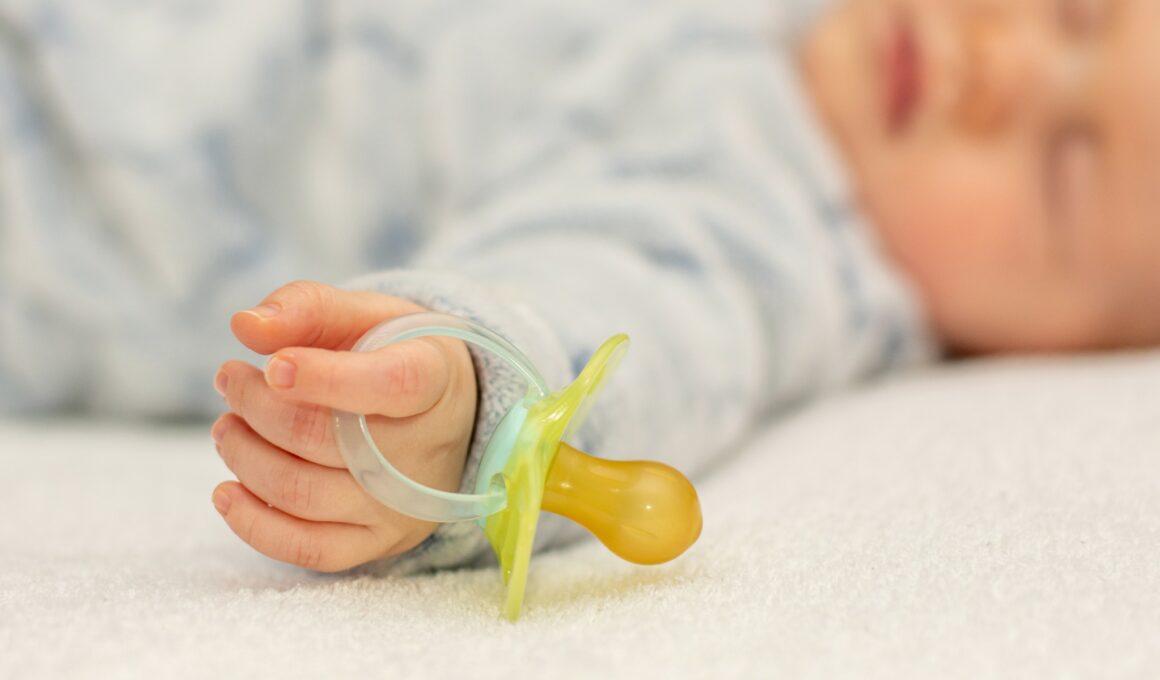
Welcoming a new member into the family brings joy, but it also comes with the responsibility of making choices that ensure the baby’s well-being. One such choice revolves around baby pacifiers – those tiny, soothing wonders that can provide comfort to both babies and parents. The world of baby pacifiers, from their types and benefits to potential concerns and safety guidelines.
Types of Pacifiers
Traditional Pacifiers:
These are the classic, cherry-shaped pacifiers that have been a go-to for decades. They are suitable for most babies and widely available.
Orthodontic Pacifiers:
Designed to support natural oral development, these pacifiers stay in baby’s mouth, feature a flattened bottom and a nipple shape that mimics the mother’s breast. They are believed to reduce the risk of dental issues.
Novelty Pacifiers:
With playful designs and shapes, novelty pacifiers add a touch of fun. However, parents should choose these carefully, considering safety and comfort.
Benefits of Using Pacifiers
Soothing Effect on Babies:
Pacifiers provide a natural way for babies to self-soothe, offering comfort during teething, bedtime, and fussy moments.
Reducing the Risk of SIDS:
Studies suggest that pacifier use during sleep can decrease the risk of Sudden Infant Death Syndrome (SIDS). However, always consult with your pediatrician for personalized advice.
Pacifiers as a Self-Soothing Tool:
Beyond soothing, pacifiers can help babies learn to self-soothe, promoting independence and emotional resilience.
Potential Concerns
Nipple Confusion:
Some parents worry that pacifier use may interfere with breastfeeding. However, when introduced at the right time, pacifiers can coexist harmoniously with breastfeeding.
Dental Issues:
Prolonged pacifier use, especially with traditional shapes, may lead to dental problems. It’s essential to monitor your baby’s oral development and consult with a dentist if concerns arise.
Overuse and Dependency:
Like any comfort item, overreliance on pacifiers can create dependency. Balancing pacifier use with other soothing methods is crucial.
How to Choose the Right Pacifier
Age-Appropriate Designs:
Pacifiers come in various sizes suitable for different age groups. Ensure you choose a pacifier that aligns with your baby’s developmental stage.
Materials and Safety Considerations:
Opt for BPA-free pacifiers made of safe materials. Regularly inspect for any signs of wear and tear.
Cleaning and Maintenance Tips:
Keep pacifiers clean by washing them regularly. Boiling or using sterilizers is recommended, especially for newborns.
Introducing and Using Pacifiers
Timing and Age Recommendations:
Most experts suggest waiting until breastfeeding is well-established before introducing pacifiers, usually around three to four weeks.
Tips for Successful Pacifier Introduction:
Gently offer the pacifier during calm moments, and avoid forcing it. Experiment with different types to find what your baby prefers.
Knowing When to Wean Off Pacifiers:
Pay attention to your baby’s cues and consider weaning off pacifiers around the age of one. Gradual transition can ease the process.
Common Myths and Facts
Debunking Myths Around Pacifier Use:
Separate fact from fiction by addressing common misconceptions, such as pacifiers causing speech delays or hindering oral development.
Separating Facts from Fiction:
Clarify the benefits of pacifiers while dispelling myths. Understanding the facts empowers parents to make informed decisions.
Pacifier Alternatives
Teething Toys:
In addition to pacifiers, teething toys can provide relief during the teething phase. Choose safe, age-appropriate options.
Thumb and Finger Sucking:
Some babies find comfort in thumb or finger sucking. While this is a natural behavior, monitor it to ensure it doesn’t lead to dental issues.
Parental Perspectives
Real-Life Experiences with Pacifiers:
Hear from parents who share their experiences with pacifiers, discussing challenges, benefits, and tips for managing pacifier use.
Tips for Managing Pacifier Use:
Learn practical tips for balancing pacifier use, addressing concerns, and promoting healthy habits for both baby and parent.
Pacifier Safety Guidelines
Monitoring for Wear and Tear:
Regularly inspect pacifiers for signs of wear, such as cracks or tears. Replace them immediately to ensure safety.
Supervision During Use:
Always supervise your baby while using a pacifier, especially during sleep. Avoid attaching pacifiers to anything that might pose a strangulation risk.
Knowing When to Replace a Pacifier:
Replace pacifiers every two to four weeks, even if they appear undamaged. This helps ensure optimal safety and hygiene.
Conclusion
In conclusion, baby pacifiers can be invaluable tools for providing comfort and soothing for your little one. By understanding the different types, benefits, and potential concerns, parents can make informed choices that contribute to their baby’s well-being. Remember, each baby is unique, so what works for one may not work for another. Pay attention to your baby’s cues, consult with healthcare professionals when needed, and enjoy the journey of parenthood.