

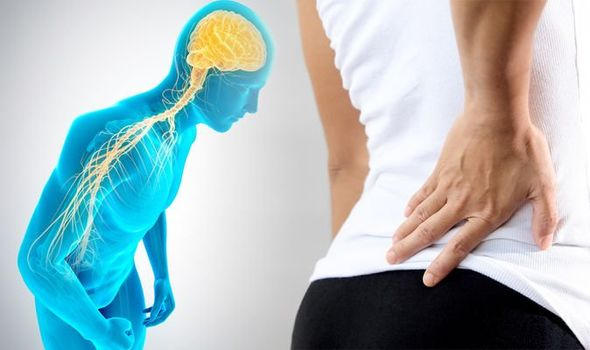
Parkinson’s disease (PD) itself is primarily characterized by motor symptoms such as tremors, stiffness, and slowness of movement, which are caused by the degeneration of dopamine-producing neurons in the brain. However, muscle pain can also be experienced by individuals with Parkinson’s disease, although it is not considered a primary symptom of the condition.
Here’s how Parkinson’s disease and muscle pain can be connected:
Secondary Musculoskeletal Symptoms:
The motor symptoms of Parkinson’s disease, such as rigidity and stiffness, can lead to secondary musculoskeletal issues that cause muscle pain. Rigidity in the muscles can lead to increased tension and stiffness, which may result in discomfort or pain.
Changes in Posture and Gait: Parkinson’s disease can affect posture and gait, leading to changes in the way a person moves. These alterations in movement patterns can put strain on muscles and joints, leading to muscle pain and discomfort, particularly in areas like the back, neck, and legs.
Dystonia:
Dystonia, a condition characterized by involuntary muscle contractions, is a common non-motor symptom of Parkinson’s disease. Dystonic movements can cause muscles to spasm or cramp, resulting in pain or discomfort.
Medication Side Effects:
Some medications used to treat Parkinson’s disease may cause muscle pain as a side effect. For example, dopamine agonists, a class of medications commonly used to manage motor symptoms, can sometimes cause muscle stiffness, cramping, or pain.
Compensatory Movements:
As Parkinson’s disease progresses, individuals may develop compensatory movements to overcome motor difficulties. These compensatory movements can lead to overuse of certain muscles or improper biomechanics, resulting in muscle strain and pain. try Muscle relaxant for muscle pain
It’s important for individuals with Parkinson’s disease who experience muscle pain to discuss their symptoms with their healthcare provider. Proper management of Parkinson’s disease, including medication adjustments, physical therapy, and other supportive measures, can help alleviate muscle pain and improve overall quality of life. Additionally, addressing secondary musculoskeletal issues and optimizing mobility and posture can help reduce the risk of muscle pain in individuals with Parkinson’s disease.
