

In the modern age, payment methods have become more diverse and accessible than ever before. With the rise of digital technology and e-commerce, consumers can now choose from a variety of payment options that cater to their needs and preferences.
One of the most popular payment methods today is online payments, which includes credit and debit cards, e-wallets, and digital currencies. Online payments offer a convenient and secure way to make transactions, allowing users to pay for goods and services with just a few clicks on their computers or mobile devices.
Mobile payments have also gained significant popularity in recent years, as more people rely on their smartphones for everyday tasks. Mobile payment solutions allow users to pay for purchases using their mobile devices, making transactions quick and hassle-free.
In addition to these digital payment methods, traditional payment options such as cash and checks still remain widely used in many parts of the world. However, as technology continues to advance, we can expect to see more innovative payment solutions emerge, further transforming the way we pay for goods and services.
In the modern age, there are a variety of payment methods available to consumers
- Credit/debit cards: These are plastic cards that are linked to a user’s bank account and allow them to make purchases online or in-person.
- Mobile payment apps: Applications like Apple Pay, Google Pay, and Samsung Pay allow users to make payments using their mobile devices.
- Digital wallets: Digital wallets like PayPal and Venmo allow users to store multiple payment methods, including credit cards and bank accounts, and make payments online or in-person.
- Cryptocurrencies: Cryptocurrencies like Bitcoin and Ethereum are decentralized digital currencies that allow users to make secure and fast transactions online.
- Bank transfers: Bank transfers allow users to transfer funds from one bank account to another. This method is often used for larger purchases or for sending money to friends and family.
- Cash: Despite the growth of digital payment methods, cash remains a widely-used payment method, especially for small purchases or in areas where access to technology is limited.
Each of these payment methods has its own benefits and drawbacks, and the best method for a particular person may depend on their individual needs and preference.
- CREDIT/DEBIT CARDS:
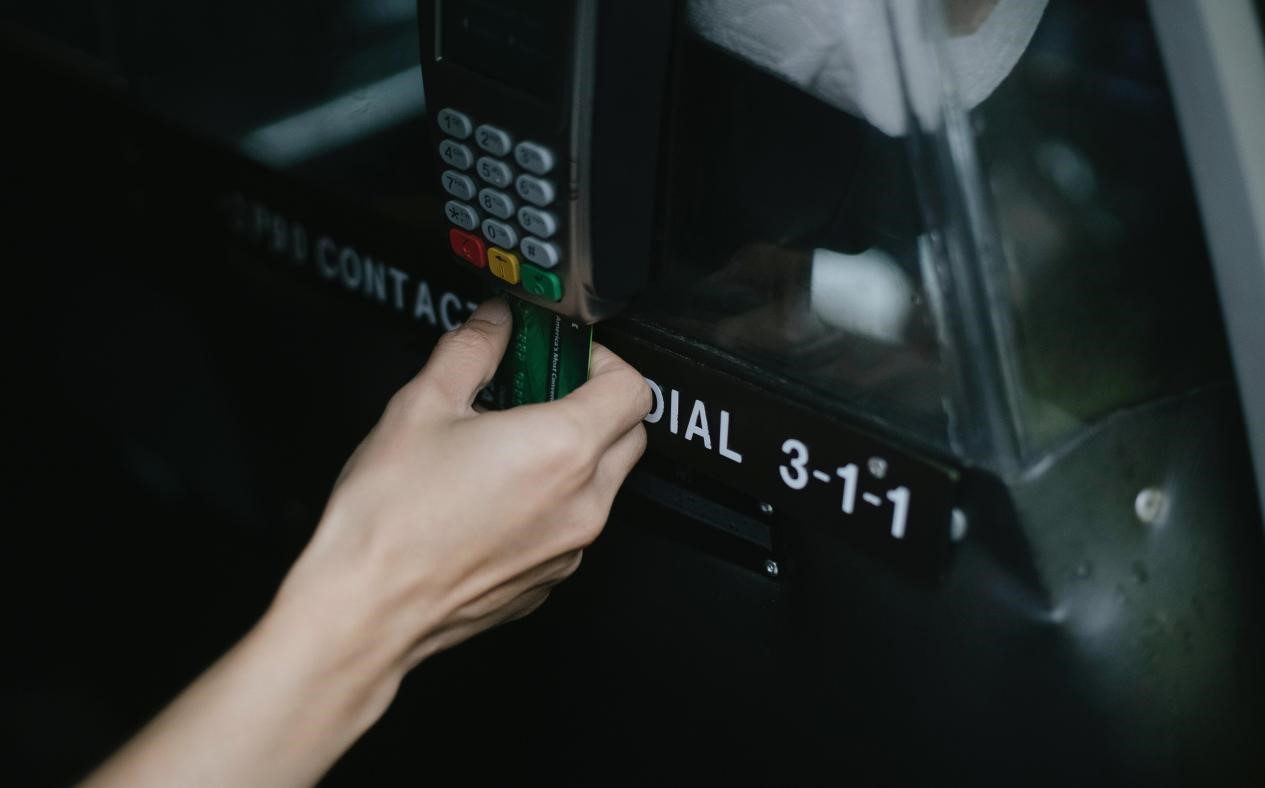
Credit and debit cards are two of the most commonly used payment methods in the modern age. They are plastic cards that are linked to a user’s bank account and allow them to make purchases online or in-person.
Debit cards allow users to spend only the amount of money that is in their bank account. When a purchase is made using a debit card, the funds are immediately deducted from the user’s account. Debit cards are often used for everyday purchases and to access cash from ATM.
Credit cards, on the other hand, allow users to borrow money up to a certain limit, which they can then pay back over time, often with interest. Credit cards can be a useful tool for building credit history and earning rewards, but they can also lead to debt if they are not used responsibly.
Both credit and debit cards are widely accepted and offer a secure and convenient way to make purchases. However, they also come with some potential risks, such as the possibility of fraud or theft. To minimize these risks, it is important to use credit and debit cards carefully and to monitor accounts regularly for suspicious activity.
MOBILE PAYMENT APPS:
Mobile payment apps are applications that allow users to make payments using their mobile devices. Some popular examples of mobile payment apps include Apple Pay, Google Pay, and Samsung Pay.
Mobile payment apps are designed to be quick and convenient to use, and they can often be set up with just a few taps. To use a mobile payment app, users typically add their credit or debit card information to the app, and then they can make payments by simply holding their phone near a payment terminal or by entering the payment information manually into the app.
One of the main benefits of mobile payment apps is that they can help to reduce the risk of fraud or theft. Mobile payment apps often use encryption and other security measures to protect users’ personal and financial information, and they can also send alerts for suspicious activity.
Another advantage of mobile payment apps is that they allow users to make payments without having to carry cash or a physical credit or debit card. This can be especially useful for people who are always on the go or who don’t want to carry a lot of cards in their wallet.
Overall, mobile payment apps are a convenient and secure way to make payments, and they are becoming increasingly popular as more and more people adopt mobile devices as their primary way of accessing the internet.
DIGITAL WALLETS:
A digital wallet is an electronic system that allows users to store multiple payment methods, such as credit cards, debit cards, and bank accounts, in one place. Digital wallets are often linked to mobile devices, but they can also be accessed from a computer or other device.
One of the main benefits of digital wallets is that they provide a convenient way to make payments. Users can simply select the payment method they want to use when they are ready to make a purchase, and they can make payments with just a few taps or clicks.
Another advantage of digital wallets is that they can help to reduce the risk of fraud or theft. Digital wallets often use encryption and other security measures to protect users’ personal and financial information, and they can also send alerts for suspicious activity.
Some digital wallets also offer additional features, such as the ability to store loyalty cards and coupons, or to send and receive money from other users.
Overall, digital wallets are a convenient and secure way to store and manage multiple payment methods, and they are becoming increasingly popular as people seek more efficient and flexible ways to make payments.
BANK TRANSFER:
Bank transfers are a type of electronic payment that allows users to transfer money from one bank account to another. Bank transfers can be initiated online, over the phone, or in person at a bank branch, and they typically take one or several business days to complete.
Bank transfers are a secure and reliable way to move money between accounts, and they are often used for large transactions, such as paying a mortgage or a rent payment.
One of the benefits of bank transfers is that they provide a permanent record of the transaction, which can be helpful in case of any disputes or discrepancies. Bank transfers are also a convenient way to send money to friends or family members, or to make payments to merchants or service providers.
Another advantage of bank transfers is that they offer a high level of security. Bank transfers are typically protected by encryption and other security measures, and they also have strict regulations to help prevent fraud and unauthorized transactions.
Overall, bank transfers are a useful and widely used payment method that offer a secure and convenient way to move money between bank accounts.
CASH:
Cash is a traditional form of payment that has been used for centuries. It refers to physical currency, such as paper bills or coins, that is used to make purchases in person.
Cash has several advantages over other forms of payment. For example, it is widely accepted in most countries and can be used to make purchases at any store or service provider that accepts cash. Cash is also a very simple form of payment, and it does not require a bank account, credit or debit card, or other special equipment.
Another advantage of cash is that it provides a high degree of privacy and anonymity. When you make a purchase with cash, there is no record of the transaction that can be used to track your spending habits or personal information.
However, cash also has some disadvantages. For example, it is easily lost or stolen, and it can be difficult to track or recover if it is lost. Cash is also more susceptible to fraud and counterfeiting, and it may not be accepted at some stores or service providers that only accept electronic forms of payment.
Overall, cash is a widely used and well-established form of payment that continues to play an important role in the global economy, despite the growth of electronic and digital forms of payment.
EASIEST AND SECURE METHOD OF PAYMENT:
Credit cards are a widely accepted and secure method of payment. They are easy to use and provide a high level of security, as they use encryption and other security measures to protect users’ personal and financial information. In addition, most credit card companies offer fraud protection and dispute resolution services, which can help to reduce the risk of fraud or theft.
Another advantage of credit cards is their wide acceptance. Credit cards are accepted at millions of merchants and service providers worldwide, and they can be used to make purchases both in person and online.
Credit cards also offer the convenience of deferred payment, which means that users can make purchases and pay for them later, usually at the end of the month. This can be especially useful for large or unexpected expenses, as users can pay for them over time rather than all at once.
Overall, credit cards are a secure and convenient method of payment that are widely accepted and easy to use. They are a popular choice for many consumers and businesses alike
