

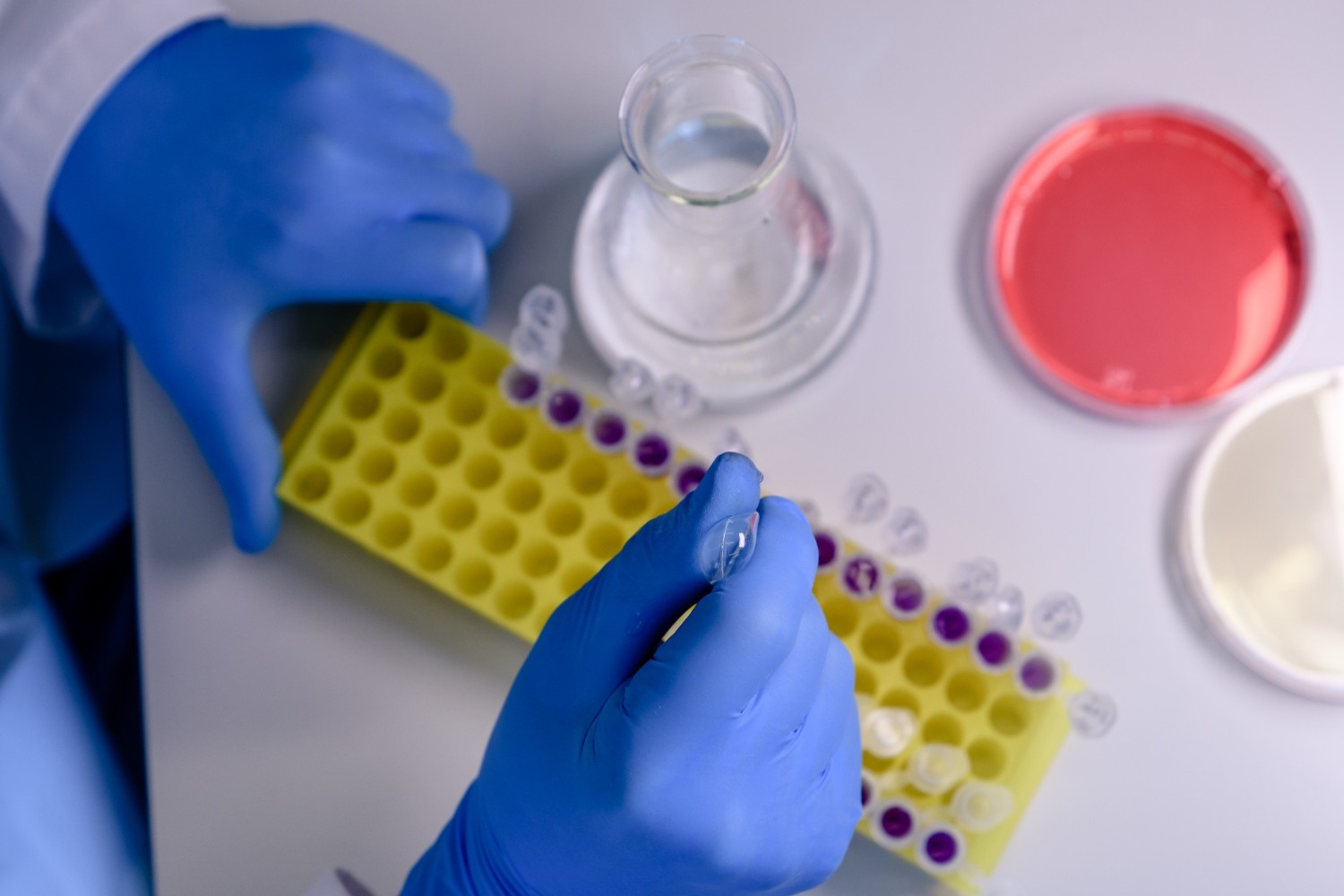
Protein purification is one of the most important steps in biological research, diagnostics, and biopharmaceutical development. Whether you work with antibodies, recombinant proteins, or enzymes, your purification method directly affects sample quality, recovery, and downstream analysis. If you want a faster, cleaner, and more reproducible workflow, magnetic bead technology offers a practical solution.
Unlike traditional centrifugation or column-based methods, magnetic beads simplify protein isolation by reducing manual handling and minimizing sample loss. As a result, you can process more samples with greater consistency while saving valuable laboratory time.
Why Magnetic Beads Have Changed Protein Purification
You need purification methods that deliver reliable performance without creating unnecessary complexity. Magnetic beads are designed to bind target proteins through specific affinity ligands while allowing contaminants to be removed through simple washing steps.
Instead of relying on repeated centrifugation, you simply place your sample on a magnetic separator. The beads remain in place while unwanted materials are removed, making the process both faster and easier.
This streamlined workflow is especially valuable when handling multiple samples or working with sensitive proteins that require gentle processing conditions.
How Magnetic Beads Work
Magnetic beads typically consist of a magnetic core coated with functional surfaces such as Protein A, Protein G, nickel-chelating ligands, or other affinity molecules. These coatings selectively capture your target protein from complex biological mixtures.
A typical purification workflow includes:
- Incubating beads with your sample
- Capturing the target protein
- Separating beads using a magnet
- Washing away contaminants
- Eluting purified protein for downstream applications
Because every step is straightforward, you reduce processing time while maintaining high purification efficiency.
Benefits You Can Expect
Faster Sample Processing
Traditional purification often requires multiple centrifugation steps that consume valuable laboratory time. Magnetic separation eliminates these repetitive steps, allowing you to process samples more efficiently.
This improved speed becomes even more valuable when handling large sample batches.
Higher Protein Recovery
Every transfer or centrifugation step increases the possibility of losing valuable protein. Magnetic bead workflows minimize handling, helping you retain more of your target protein throughout purification.
Higher recovery is particularly important when working with limited or expensive samples.
Improved Purity
Specific affinity interactions allow magnetic beads to selectively bind target proteins while unwanted contaminants are removed during washing.
Cleaner samples improve the reliability of downstream applications such as Western blotting, ELISA, immunoprecipitation, mass spectrometry, and functional protein studies.
Better Reproducibility
Standardized magnetic bead protocols reduce operator variability. Whether you process five samples or hundreds, you achieve more consistent purification results.
This consistency supports reproducible scientific research and reliable experimental outcomes.
Applications Across Modern Laboratories
Magnetic bead technology supports a wide range of protein purification applications, including:
- Antibody purification
- Recombinant protein purification
- Immunoprecipitation
- Protein interaction studies
- Biomarker discovery
- Clinical research
- Proteomics
- Drug discovery
- Cell signaling analysis
Because of their flexibility, magnetic beads have become standard tools in academic laboratories, biotechnology companies, pharmaceutical research, and clinical testing facilities.
Why Magnetic Beads Outperform Traditional Methods
Column chromatography remains an effective purification technique, but it often requires additional equipment, longer processing times, and careful column maintenance.
Magnetic beads simplify many of these challenges by offering:
- Rapid separation
- Reduced hands-on time
- Smaller sample volume requirements
- Easy automation
- High-throughput compatibility
- Lower risk of sample contamination
- Gentle handling of sensitive proteins
If your laboratory focuses on efficiency and scalability, magnetic beads provide significant operational advantages.
Choosing the Right Magnetic Beads
Not every purification project requires the same bead chemistry. Selecting the appropriate magnetic beads depends on your target protein and experimental objectives.
Consider factors such as:
- Protein binding specificity
- Ligand compatibility
- Sample type
- Binding capacity
- Elution conditions
- Reusability
- Automation compatibility
Using high-quality Magnetic Beads Protein Purification solutions for antibody isolation, immunoprecipitation, and recombinant protein workflows helps improve purification efficiency while supporting reliable downstream analysis.
Best Practices for Better Results
To maximize purification performance, you should follow several proven practices:
- Use freshly prepared samples whenever possible.
- Select beads designed for your target protein.
- Follow recommended incubation times.
- Wash thoroughly without excessive handling.
- Use appropriate elution buffers.
- Store magnetic beads according to manufacturer recommendations.
- Validate purification results using suitable analytical methods.
These simple practices help maintain consistent protein yield and purity across multiple experiments.
Supporting Scalable Research
As research projects become larger and more complex, laboratories increasingly require purification methods that scale efficiently.
Magnetic bead workflows support:
- Automated liquid handling systems
- High-throughput screening
- Parallel sample processing
- Standardized laboratory protocols
- Reduced operator workload
These advantages allow researchers to generate reliable data while increasing laboratory productivity.
If you’re looking for dependable protein purification technologies, Lytic Solutions, LLC provides advanced protein purification products and laboratory solutions designed for research and bioprocess applications that support consistent experimental performance.
Conclusion
Magnetic beads have significantly improved modern protein purification workflows by making protein isolation faster, cleaner, and more reproducible. By reducing manual processing, minimizing sample loss, and supporting high-throughput applications, they help you achieve dependable purification results across a wide variety of research projects.
Whether your work involves antibodies, recombinant proteins, or complex biological samples, magnetic bead technology provides an efficient solution that fits today’s laboratory demands.
If you’re ready to select the right purification products for your research, Contact us today for expert guidance on choosing magnetic bead solutions for your specific protein purification workflow.
Frequently Asked Questions
What are magnetic beads used for in protein purification?
Magnetic beads selectively bind target proteins, allowing you to isolate them quickly while removing contaminants through simple magnetic separation.
Why is magnetic bead protein purification faster than column chromatography?
Magnetic beads eliminate repeated centrifugation and complex column preparation, significantly reducing overall purification time.
Can magnetic beads purify recombinant proteins?
Yes. Magnetic beads are widely used for recombinant protein purification when paired with suitable affinity ligands such as Protein A, Protein G, or metal-chelating surfaces.
Are magnetic beads suitable for high-throughput laboratories?
Absolutely. Magnetic bead workflows integrate easily with automation systems and enable efficient processing of large numbers of samples.
How do magnetic beads improve protein recovery?
They reduce sample transfers and manual handling, minimizing protein loss while maintaining high binding efficiency throughout purification.
What factors should you consider when selecting magnetic beads for protein purification?
You should evaluate ligand specificity, binding capacity, sample compatibility, elution conditions, automation requirements, and the intended downstream application to achieve optimal purification performance.


