The fashion industry stands at a crossroads, facing urgent challenges related to sustainability, ethical production, and social responsibility. In this blog post, we explore the concept of a fashion revolution—a movement towards a more sustainable and equitable future for the industry.
1. The Need for Change:
The fashion industry is one of the largest contributors to environmental degradation and social injustice, with practices such as fast fashion, overconsumption, and exploitative labor leading to significant harm to people and the planet. A fashion revolution is necessary to address these systemic issues and create a more sustainable and ethical fashion ecosystem.
2. Embracing Sustainable Practices:
Sustainable fashion encompasses a range of practices aimed at minimizing environmental impact and promoting social responsibility. This includes using eco-friendly materials, reducing waste through circular design principles, implementing fair labor practices, and prioritizing transparency and accountability throughout the supply chain.
3. Consumer Empowerment:
Consumers play a crucial role in driving the fashion revolution by making informed choices about the clothing they purchase and supporting brands that align with their values. By demanding greater transparency, ethical production, and sustainable practices, consumers can hold brands accountable and drive positive change within the industry.
4. Innovation and Collaboration:
Innovation and collaboration are essential components of the fashion revolution, with brands, designers, policymakers, and consumers working together to create systemic change. This includes investing in research and development of sustainable materials and technologies, sharing best practices, and advocating for policies that support a more sustainable and ethical fashion industry.
5. The Power of Collective Action:
The fashion revolution is fueled by the power of collective action, with individuals and organizations coming together to amplify their voices and drive meaningful change. Events such as Fashion Revolution Week, which raises awareness about the true cost of fashion and promotes transparency and accountability, demonstrate the impact of collective action in driving positive change within the industry.
Conclusion:
The fashion revolution represents a collective effort to transform the industry into one that is sustainable, ethical, and equitable. By embracing sustainable practices, empowering consumers, fostering innovation and collaboration, and advocating for systemic change, we can create a fashion industry that respects people, planet, and future generations. Together, let’s work towards a fashion revolution that prioritizes sustainability, ethics, and social responsibility at its core.
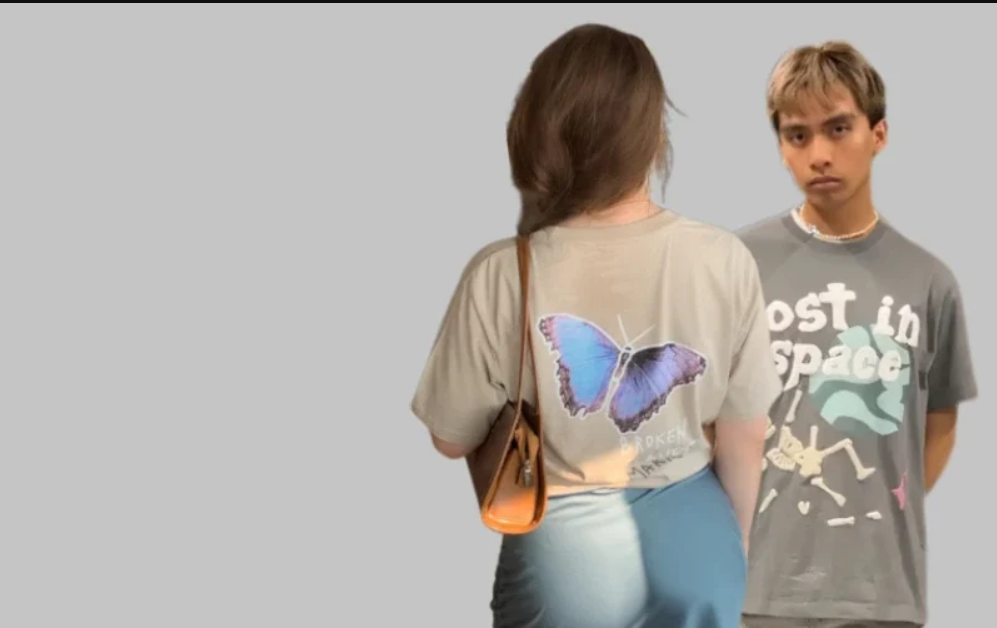
Visit: Broken Planet Hoodie